Theoretical Model / Hypothesis

When the body fights itself
MCAS, TCS & ME/CFS

An educational guide presenting a hypothetical model of connections between mast cell hyperreactivity, spinal cord tension, and chronic fatigue. The mechanisms presented here are subject to ongoing research.

Simple Analogy

Your Bodyguard Went Crazy

Before diving into medical details, understand the core issue. Imagine your immune system (mast cells) acts as a Security Guard watching the entrance to your body.

Zzz... All quiet.

Guard is Sleeping

Only reacts to real bad guys (viruses).

Who's knocking?
Mr. Tomato
ALLOWED
Mrs. Perfume
ALLOWED
Mailman Rain
ALLOWED

1. What is MCAS?

In Mast Cell Activation Syndrome (MCAS), immune cells (mast cells) are "hyperreactive". Instead of reacting only to real threats (e.g., viruses), they explode upon contact with trivial factors.

Mediators (Chemical Weapons):

  • Histamine: Swelling, itching, brain fog.
  • Tryptase: Tissue damage and remodeling (often normal in blood tests in MCAS, despite activity).
  • Cytokines: Flu-like symptoms, PEM.
  • Prostaglandins (PGD2): Sudden flushing, abdominal pain.
  • Leukotrienes: Bronchospasm, shortness of breath, asthma.
  • Heparin: Easy bruising, clotting issues.
Receptors (IgE)
Nucleus
Granules
MEDIATOR STORM

Key Triggers

Excipients in Meds

Hidden enemies in pills. Examples of fillers that MCAS patients may react to (individual for each):

  • Titanium Dioxide (E171) – Dye
  • Corn Starch – Filler
  • Crospovidone – Disintegrant
  • Propylene Glycol – Solvent
  • Iron Oxides – Dyes

Daily Life & Environment

  • High Histamine Diet: Aged cheeses, alcohol, tomatoes, fermented foods, smoked fish, leftovers (histamine grows over time).
  • Scents & Chemicals (MCS): Perfumes, air fresheners, cigarette smoke, paint fumes, pool chlorine.
  • Physical & Weather: Heat or severe cold, rapid pressure changes, vibrations (car rides irritating the cord). [6]
  • Stress & Mechanics: Strong emotions, lack of sleep, lifting heavy objects, sudden bending (Tethered Cord).

2. What is Tethered Cord?

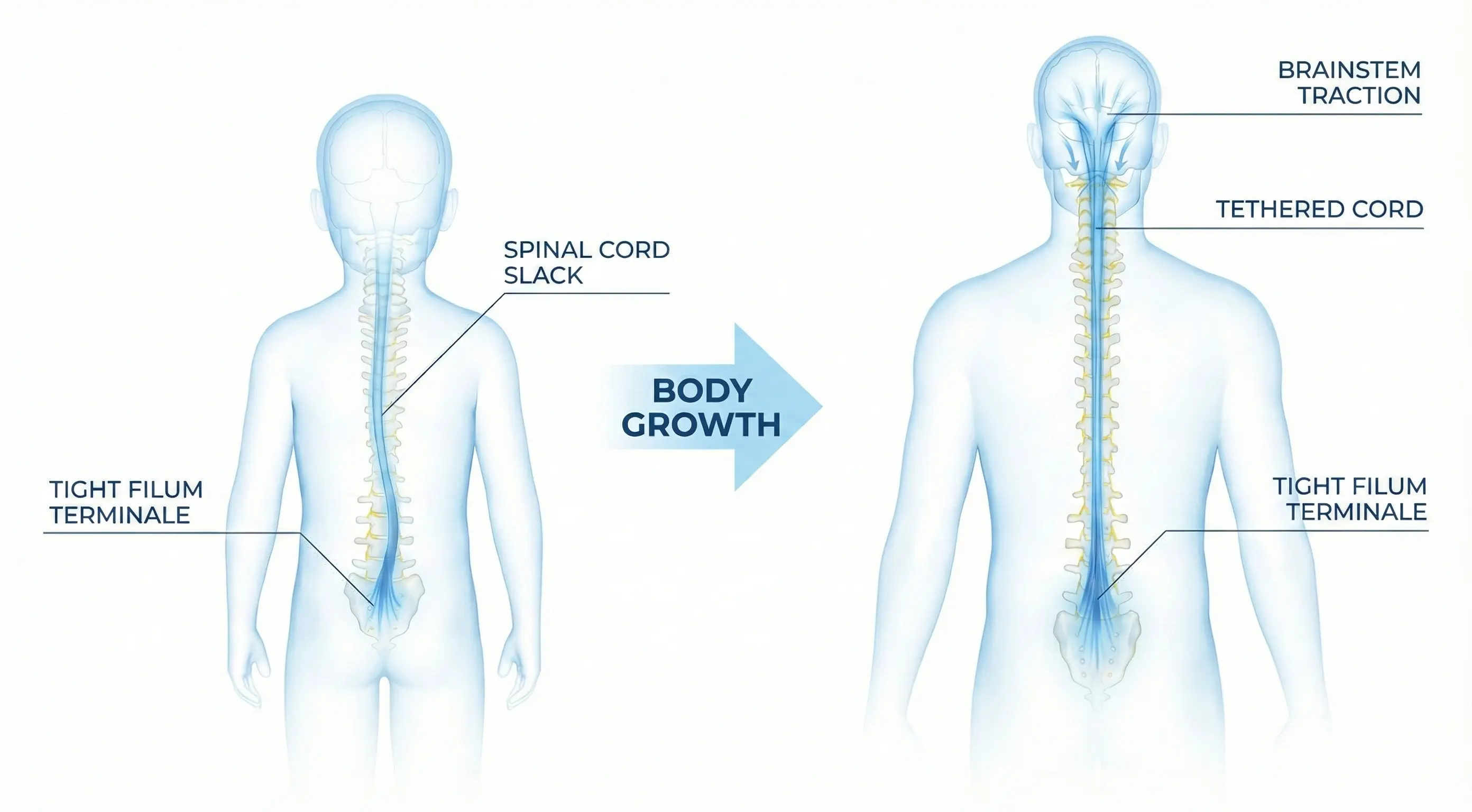
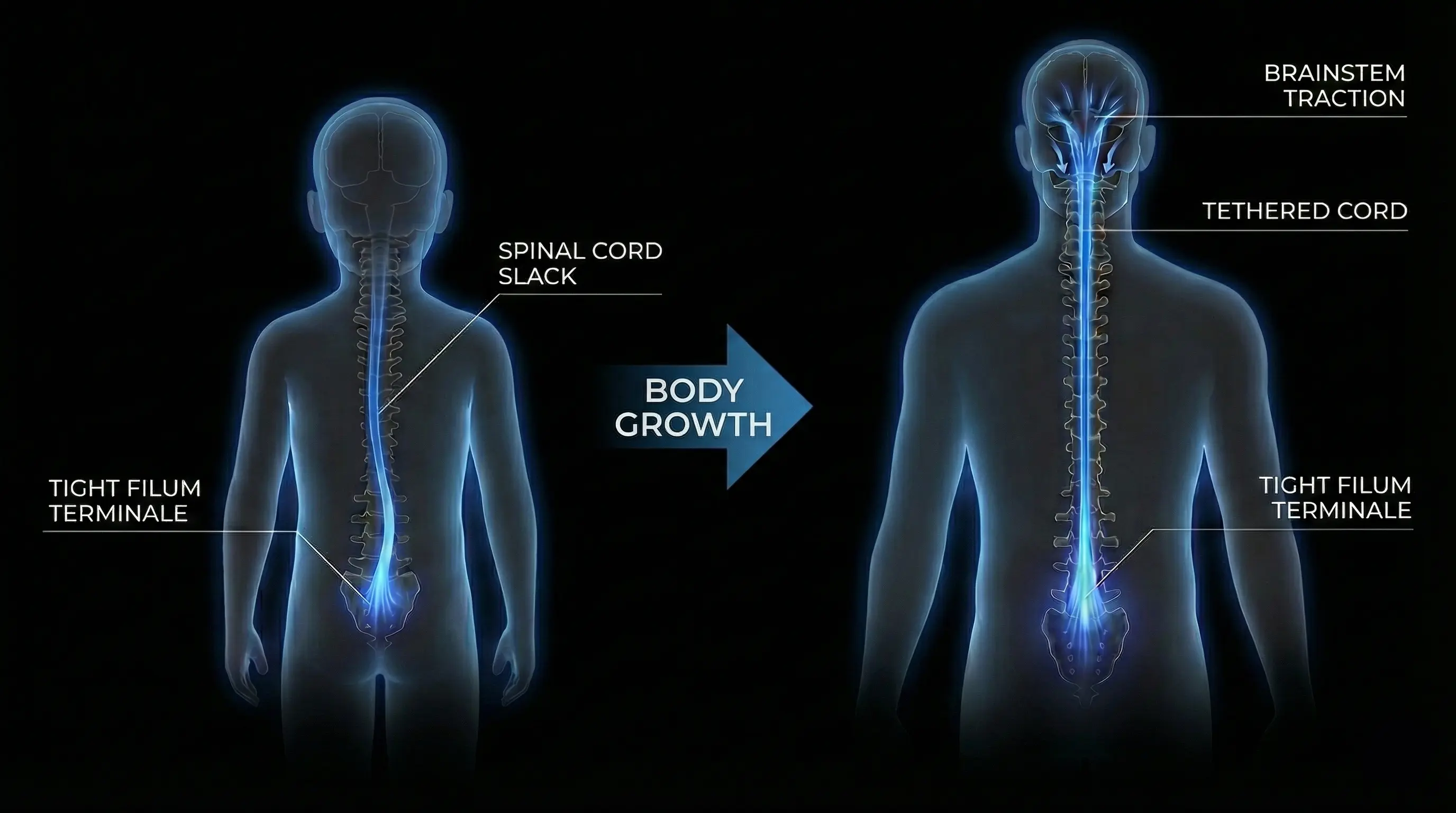
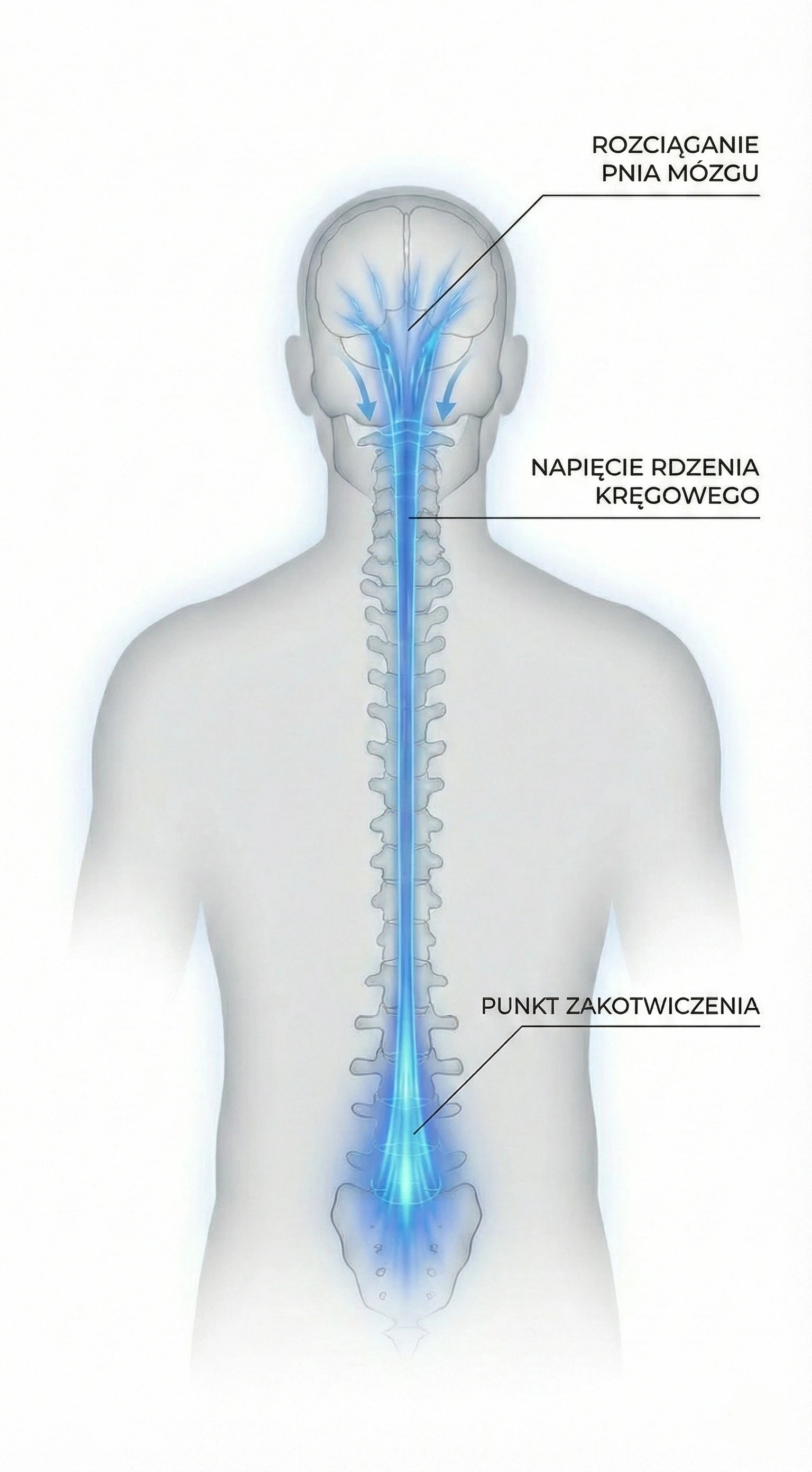
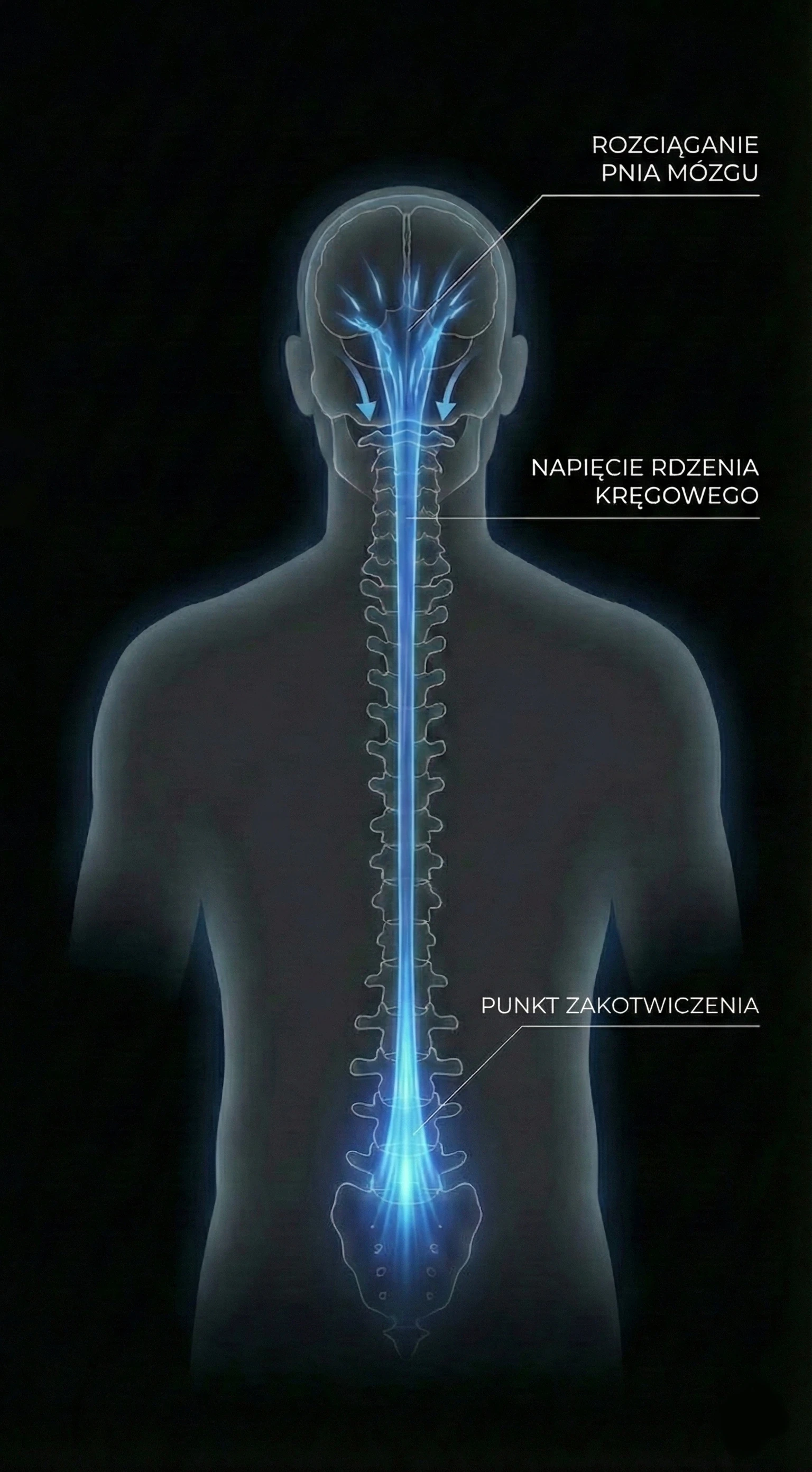
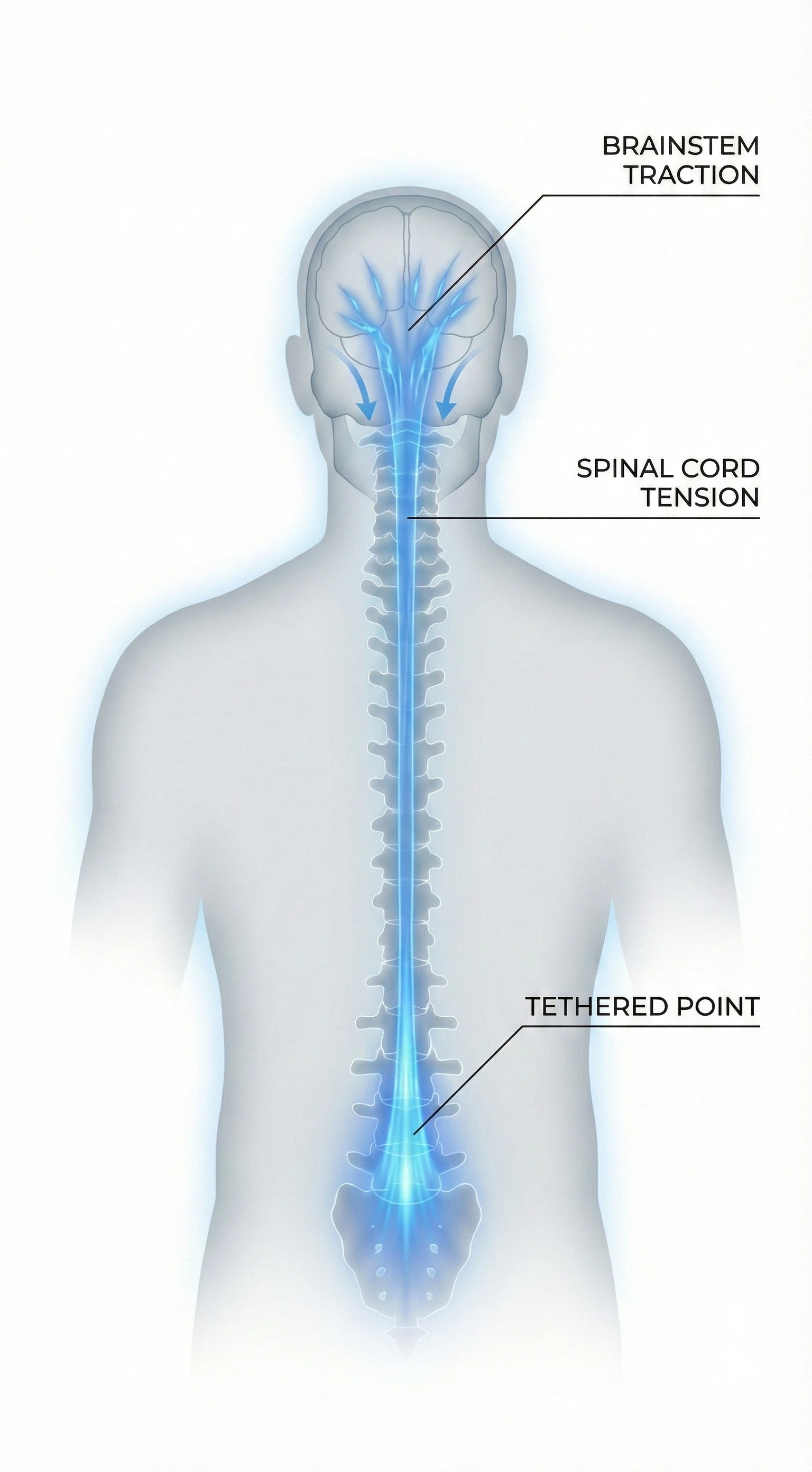
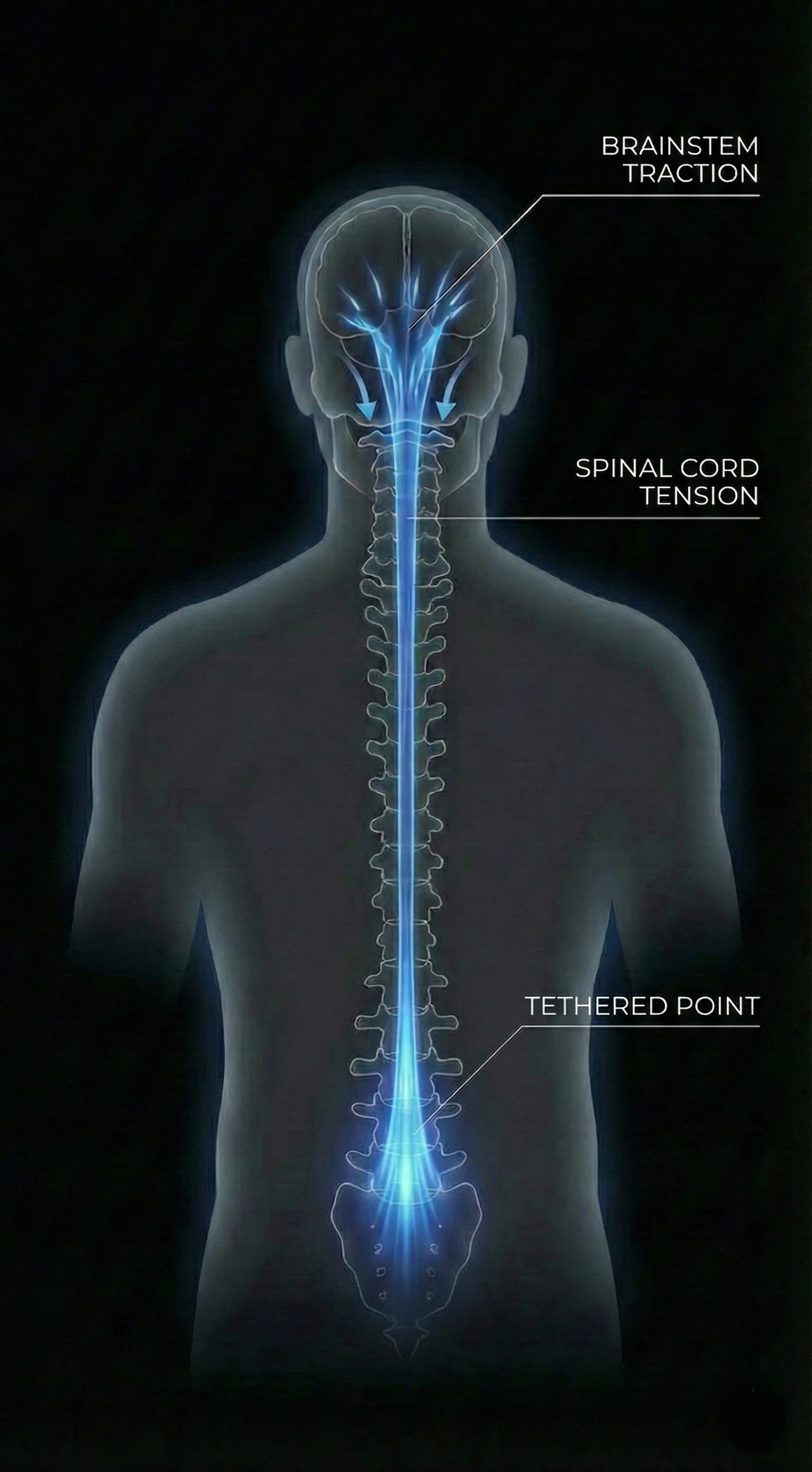
Tethered Cord Syndrome (TCS) is a mechanical pathology where the spinal cord is "trapped" at the bottom of the spine. In a healthy body, the cord floats freely in the spinal canal, moving up and down during movement. In TCS, it is attached (tethered) by an overly tight filum terminale or scar tissue (e.g., after surgery, trauma).

Anatomy of the Problem

Imagine the spinal cord as a loose shoelace inside a tube. In TCS, this shoelace is pulled tight and nailed down at the bottom (by the filum or adhesions). Every bend, extension, or head movement causes physical stretching of the nerve tissue, leading to ischemia.

Two Faces of the Disease

1. Classic (Anatomic)

Visible on standard MRI. The conus medullaris ends too low (below L2). Often accompanied by a lipoma or spina bifida.

2. Occult (Occult TCS) [1]

Most common in EDS/MCAS. The conus medullaris is at a normal height, but the filum terminale is fibrotic and inelastic. The key problem is the loss of elasticity (compliance) of the filum – it acts like a stiff string instead of a shock-absorbing rubber band. Often described as "normal" on MRI despite strong clinical symptoms.

Diagnostics: Standard supine MRI often yields a false "normal" result because gravity does not act on the cord then. Prone position MRI or urodynamic testing can be diagnostically significant.

Why do symptoms sometimes appear only in adulthood?

1 Embryology and the Growth Race

This phenomenon is called Ascensus Medullae. In fetal life, the spine (bones) grows much faster than the spinal cord (nerves). In a healthy person, the cord "pulls up" the spinal canal.

The process of spinal cord ascent (Ascensus Medullae) failed in childhood. The cord remained 'tethered'. In adulthood, symptoms erupt because tissues lose elasticity (collagen stiffening) and the spine accumulates years of micro-trauma. It is not bone growth that is the problem now, but the loss of elasticity reserve.

2 2. The "Tipping Point" Theory

"Why didn't I have symptoms as a child?"

The body has amazing adaptive capabilities, but only up to a point. With age, three things happen that take away the "slack reserve":

  • Loss of Elasticity (Fibrosis): Tissues, including nerves and the filum terminale, stiffen and lose their ability to stretch.
  • Accumulation of Microtrauma: Thousands of bends, falls, and movements over the years add up, weakening the cord's tolerance.
  • Spinal Changes: Disc herniations or degeneration further compress or stretch the already tensioned cord.

At some point (often between ages 20 and 40), the sum of these factors crosses the "Tipping Point". The nervous system says "enough" and a cascade of symptoms appears.
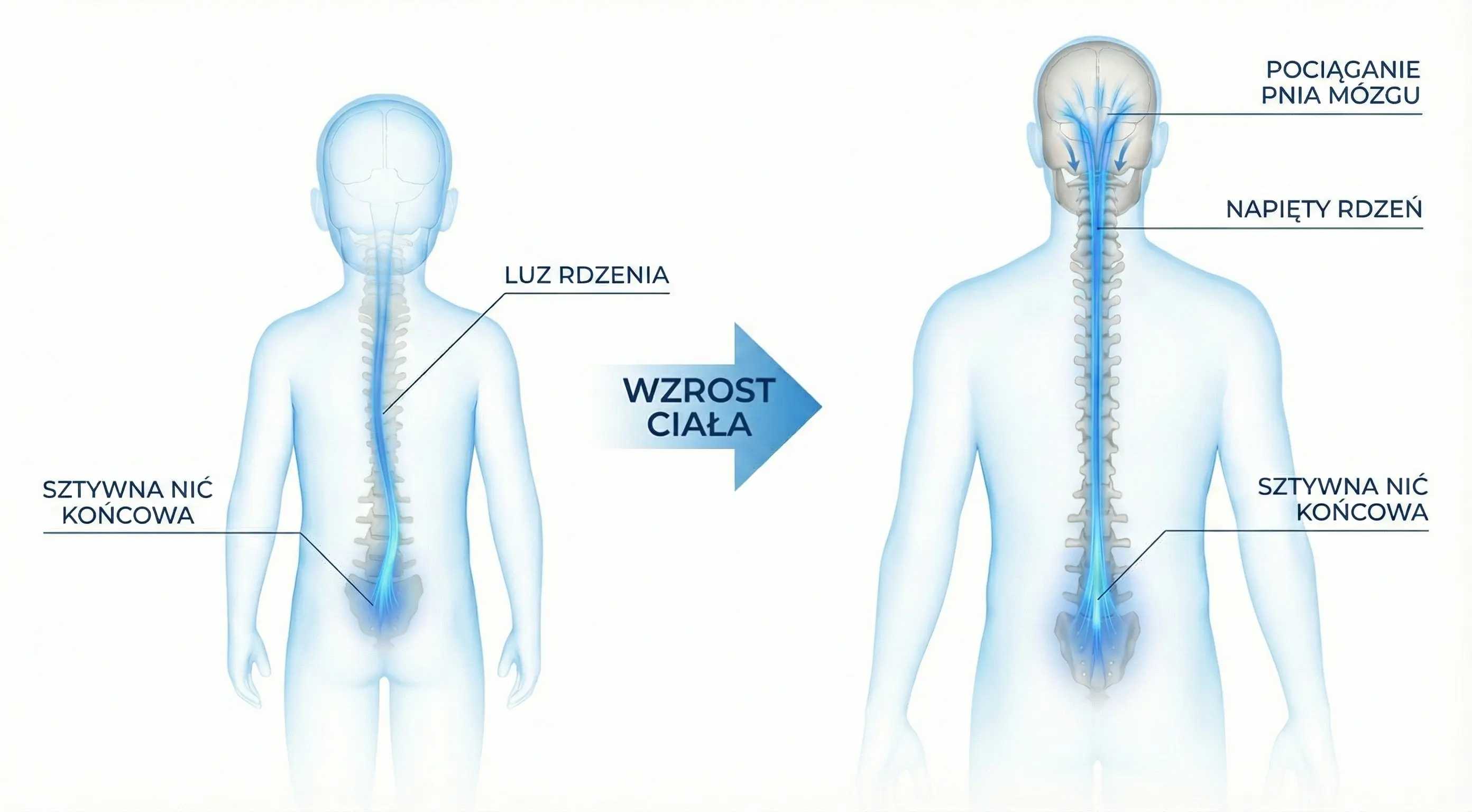
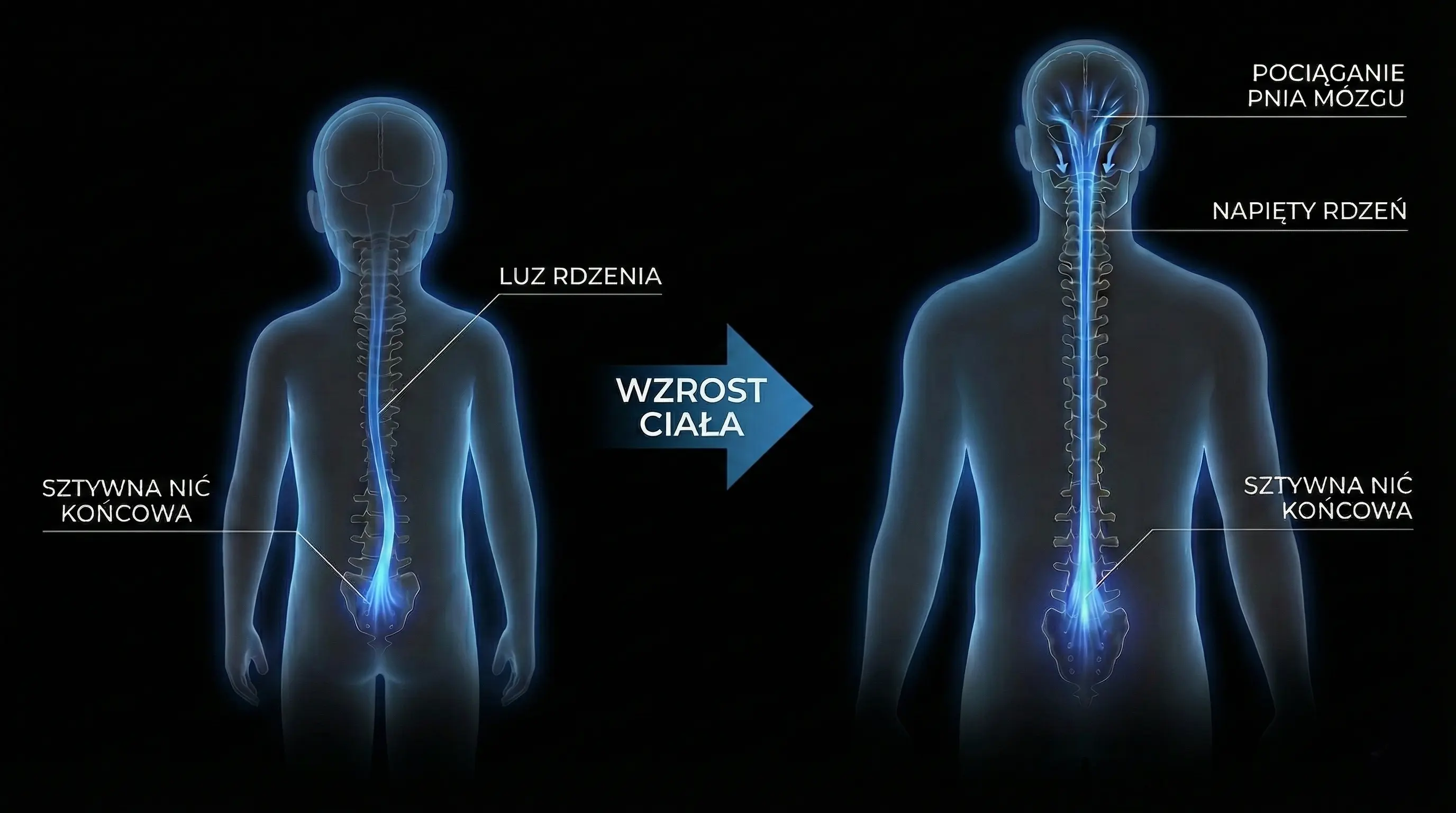
Schemat wstępowania rdzenia kręgowego (Ascensus Medullae)
Diagram of spinal cord ascent (Ascensus Medullae)

Visualization of Ascensus Medullae / Tipping Point

3. What is Craniocervical Instability (CCI)?

Craniocervical Instability (CCI) is a pathological condition where the ligaments connecting the skull to the cervical spine (mainly C0-C1-C2) are too loose or damaged. As a result, the head is not stably seated on the spine but "slides" with every movement, leading to compression of the medulla oblongata and brainstem.

"Bobblehead" Effect

Imagine a doll's head on a spring (Bobblehead) or a heavy bowling ball on a stick held by rotten rubber bands. The head weighs about 5 kg. When the ligaments (rubber bands) fail, muscles must take over their role, working 24/7, leading to exhaustion and chronic neck pain.

Alar Ligaments

Key stabilizers limiting excessive head rotation. When they fail, the head "spins" too much, stretching arteries and nerves.

Transverse Ligament

Acts like a seatbelt, keeping the odontoid process (C2) away from the spinal cord. Its damage is a direct threat to life.

Clinical Consequences

Direct compression of the brainstem, balance disorders, dizziness, "heavy head" (difficulty keeping it upright), and dysautonomia.

Vagus Nerve: Victim of Tension

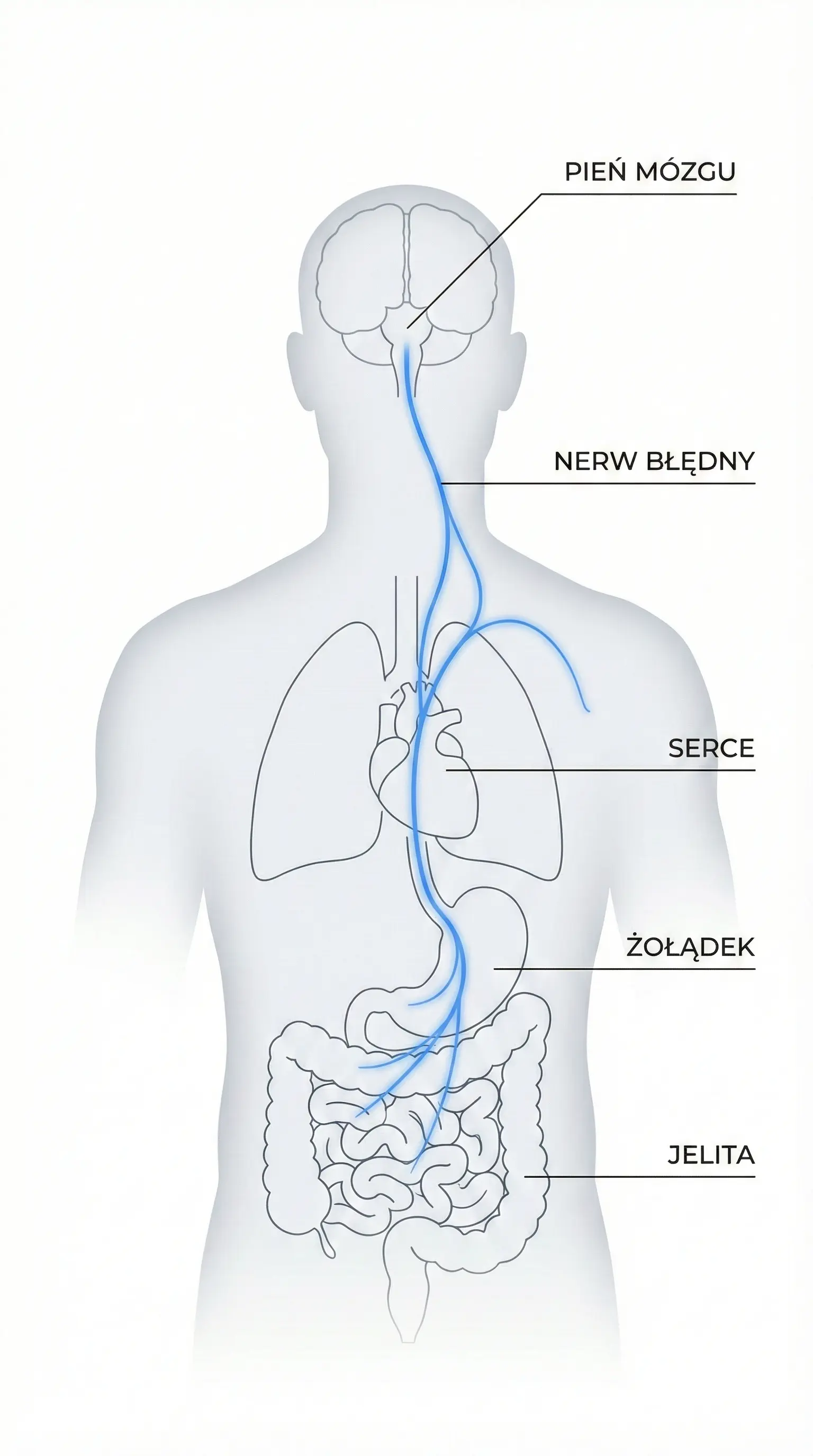
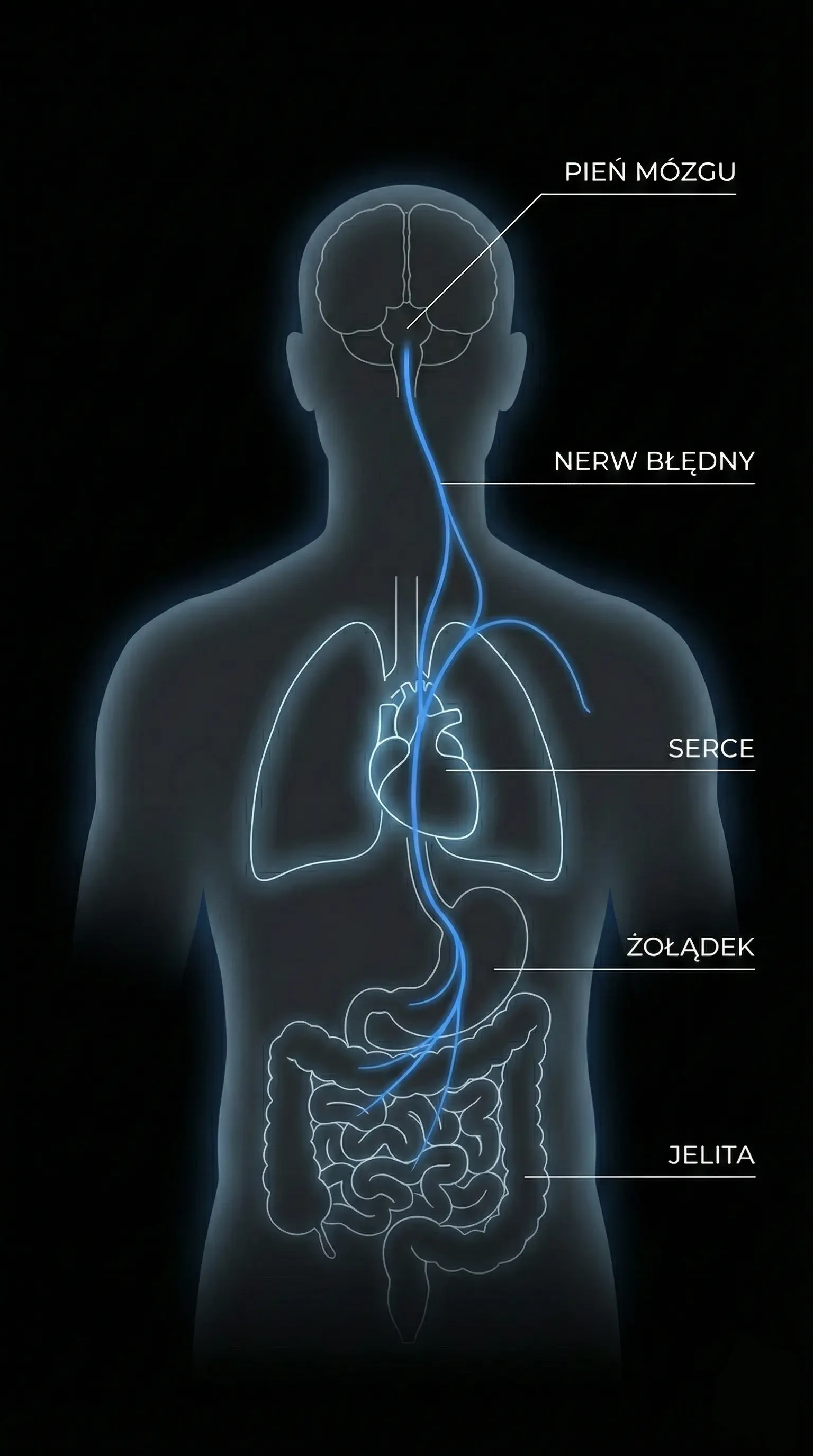
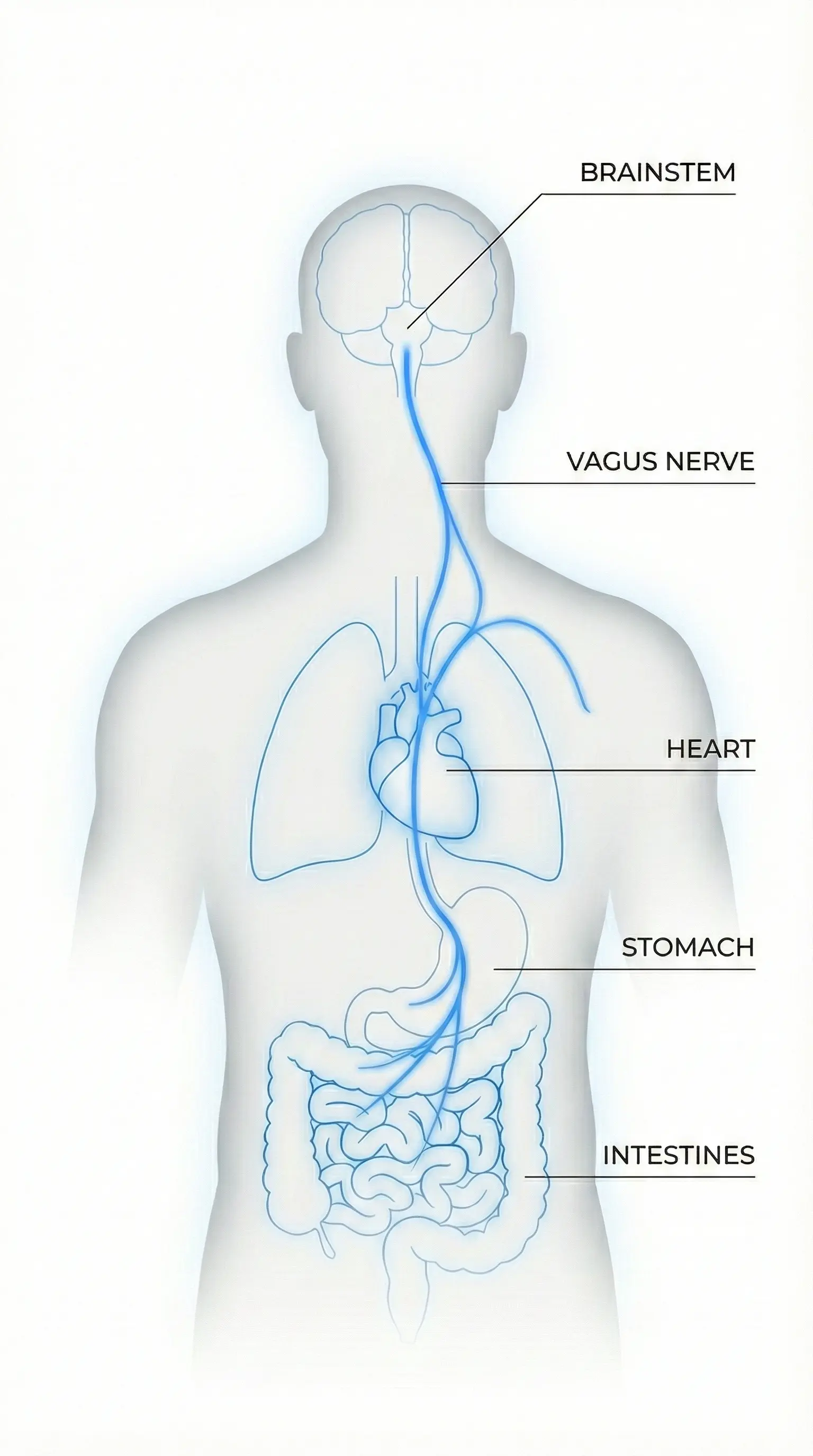
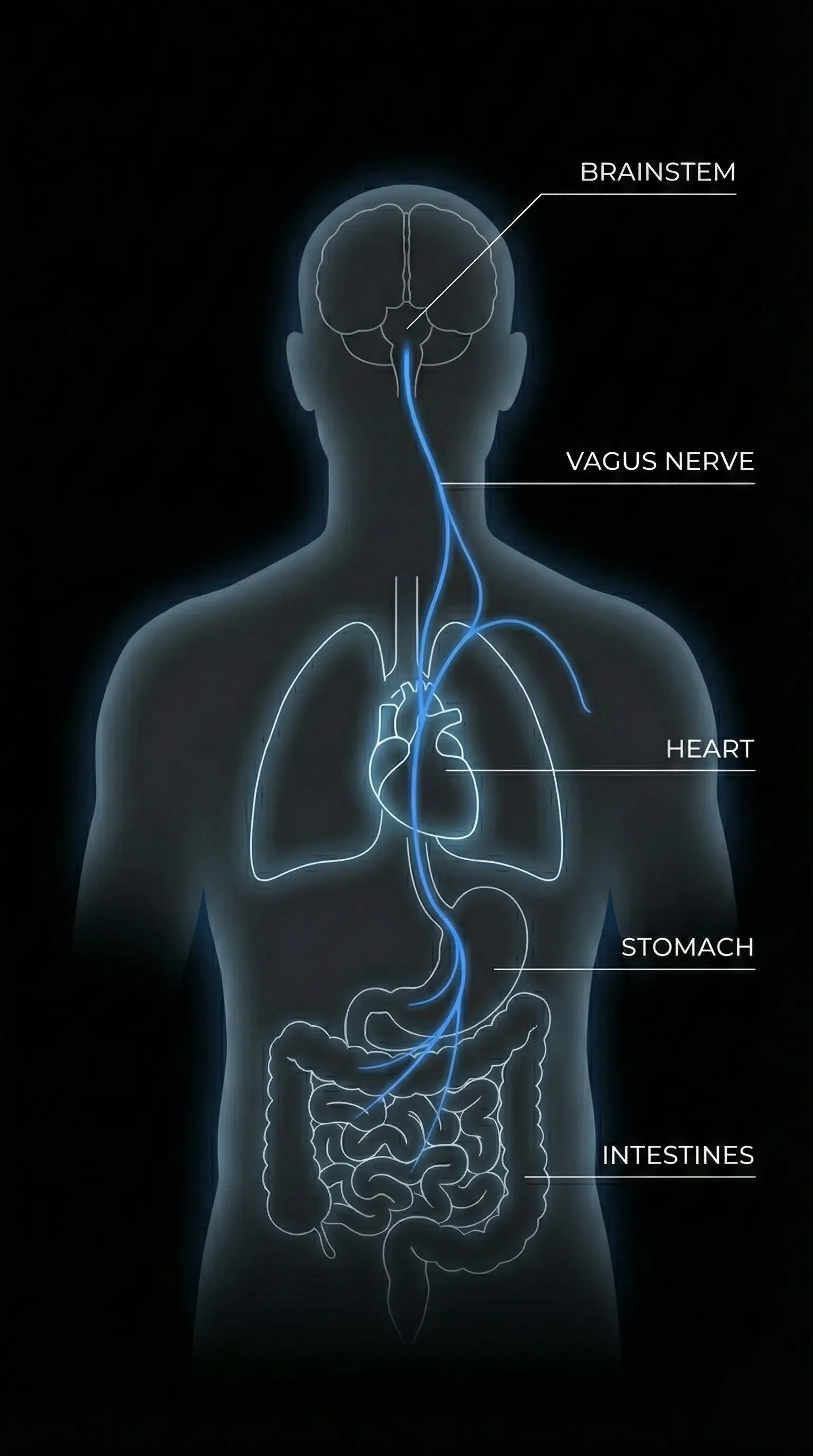
The Vagus Nerve is the most important nerve of the parasympathetic system ("rest and digest"). It runs from the brainstem, through the neck and chest, down to the intestines. It is the "information superhighway" connecting the brain to the body.

How does Tethered Cord damage it? (theory)

When the cord is tethered, tension transmits upwards, weakening neck muscles and causing instability (CCI). The shifting vertebrae compress or irritate the vagus nerve, disrupting its signal. It's like stepping on an internet cable – data stops flowing.

Consequences of damage:

  • Heart (POTS): The vagus nerve should slow the heart down. When it fails, the heart beats too fast (tachycardia) upon standing.
  • Gut and Stomach (Various digestive disorders): The vagus nerve controls digestion and stomach function. When it fails, one can experience diarrhea, constipation, and other digestive issues.
  • No Brake for MCAS: The vagus nerve is responsible for the "Anti-inflammatory Reflex". When it fails, no one tells mast cells to "STOP". Inflammation runs wild.
Schemat przebiegu nerwu błędnego i wpływ napięcia mechanicznego
Diagram of the vagus nerve pathway and mechanical tension impact

Illustration: Vagus nerve pathway and the impact of mechanical tension.

4. What is ME/CFS?

ME/CFS (Myalgic Encephalomyelitis) is a severe, chronic multisystem disease. It is not just fatigue. It is a state where the cell's energy production system (mitochondria) fails, and the nervous and immune systems lose balance. The hallmark feature is PEM – drastic worsening of symptoms after even minor exertion.

Metabolic (PEM)

Impaired energy production. The body cannot keep up with ATP production, leading to a 'power cut'.

Dysautonomia (POTS)

The autonomic system struggles with gravity. Heart rate spikes upon standing.

Immune

Chronic inflammation and mast cell hyperreactivity (MCAS).

Neurological

Brain fog, sensory sensitivity, sleep disturbances, and neuropathic pain.

Key Symptom: PEM

Post-Exertional Malaise. A delayed body reaction to exertion. A walk taken today might "cut your power" tomorrow or the day after, leaving you bedbound for days. Sometimes the patient does not recover from PEM, leading to permanent deterioration.

Why are test results "normal"?

Standard blood tests often come back perfect, leading to misdiagnosis (e.g., "it's just stress"). ME/CFS is a functional disease – organs look healthy but do not function correctly at the cellular level.

  • Standard MRI: Does not show neuroinflammation or cervical instability.
  • 2-Day CPET: The gold standard. Shows drastic drop in performance on day 2 (proof of PEM).
  • Tilt Table Test: Confirms dysautonomia (POTS) in most patients.

Disease Spectrum

Mild (~25%)
~25% Patients

Can work (often with difficulty), but at the cost of social life. Battery dead on weekends.

Moderate (~50%)
~50% Patients

Housebound. Shopping requires days of recovery. Frequent naps needed.

Severe (~20%)
~20% Patients

Bedbound. Dependent on care for washing/eating. Extreme sensitivity to light and sound.

Very Severe (~5%)
~5% Patients

Completely bedbound. Enteral feeding often needed. Extreme hypersensitivity to stimuli (needing darkness and silence). Every movement is a huge expense.

Energy Expenditure Comparison
Healthy
Recovery Time
~8h (Sleep)
Patient with ME/CFS
Recovery Time
Dni...
Select activity...

5. Pathomechanism Hypothesis Section: The TCS & ME/CFS Connection

Muscle Dysfunction (Muscle Splinting)

The body tries to fight cord tension by tensing back and neck muscles ('Protective Corset'). After years of fighting, these muscles become exhausted and atrophy. They lose their stabilizing function, which is a key moment for pathology development.

Why does strengthening physiotherapy often cause harm?
In Tethered Cord, muscles are tight not due to weakness, but as a protective mechanism guarding the cord against stretching. Traditional strengthening exercises increase tension in the system, pulling the cord even tighter. This leads to worsening neurological symptoms and pain instead of improvement. Physiotherapy should focus on relaxation and gentle mobilization, not on forcefully strengthening a 'corset' that is already overburdened fighting cord traction.

Secondary CCI (Craniocervical Instability)

When neck muscles give way, cervical vertebrae begin to shift ('slide') relative to each other. Tethering of the cord from below prevents adaptation, rigidly holding the nervous system while bones move too much.

Brainstem Compression & ME/CFS

Unstable vertebrae (especially C1-C2) physically compress the brainstem and vertebral arteries. This causes chronic ischemia of autonomic centers and a neurological 'storm'. The body enters a state of metabolic hibernation, diagnosed as ME/CFS. [9]

Schemat patomechanizmu Zakotwiczenia Rdzenia (TCS)
Diagram of Tethered Cord Syndrome (TCS) pathomechanism

Illustration: Pathomechanism of Tethered Cord Syndrome.

Problem Evolution Theory: From Symptom to Separate Disease

"Creep" Phenomenon

Long-term mechanical tension (from TCS) causes permanent elongation of the alar and transverse ligaments in the neck. This is called "tissue creep" - slow deformation under constant load.

Tipping Point

Even if we surgically cut the filum terminale (treating TCS) and the tension from below disappears, the "stretched rubber band" in the neck does not return to its original shape. Ligament damage is already done.

Conclusion

CCI then becomes a separate pathology requiring separate treatment (e.g., regeneration or stabilization), not just a "TCS symptom" that will disappear on its own after surgery.

The Disease Triad

Hypothetical Model: TCS → CCI → ME/CFS

The diagram below presents a theoretical proposal of pathomechanical links. It suggests that mechanical tension (TC) may lead to instability (CCI) and consequently to ME/CFS symptoms. This is one of the research hypotheses.

1

Mechanical Injury (TC)

The tethered cord causes continuous micro-trauma with every movement. This is the 'first domino' that triggers the avalanche.

2

Muscle Failure

Paraspinal muscles, after years of fighting tension, become exhausted. They lose the ability to stabilize the spine (atrophy).

3

Brainstem Compression (CCI)

Without muscle protection, cervical vertebrae (C1-C2) become unstable. They begin to compress the brainstem, causing dysautonomia.

4

ME/CFS & Shutdown

Compression of the brainstem is a 'life threat' signal. The brain forces drastic energy saving (shutdown), which manifests as ME/CFS. [7][9]

Vicious Cycle of Disease

Direction 1 Mechanics irritates Chemistry

Tethered Cord (mechanical stress) becomes a constant trigger for MCAS. Whether through the direct pathway (nerve irritation) or the indirect pathway (dysautonomia and lack of vagus nerve braking), mechanics force the immune system into a state of constant alarm, leading to chronic histamine release.

Direction 2 Chemistry Destroys Structure

Mast cells release TGF-beta and Tryptase, which stimulate excessive collagen production. This causes the filum terminale to stiffen (fibrosis).

Post-op Risk:

Even after successful surgery, MCAS can cause massive retethering (scar tissue formation). The body "attacks" the surgical site, potentially trapping the cord again.

Etiology

Where does MCAS come from?
Two Theories of Origin

Scientists debate whether mast cell activation is a direct result of nerve stretching or a domino effect resulting from metabolic collapse and dysautonomia. Both mechanisms likely occur simultaneously.

1

Neurogenic Pathway (Direct) [4]

Assumes that Tethered Cord (TC) directly "talks" to the immune system.

TC (Traction)
Neuropeptide Release: Nerve endings release Substance P and CGRP under mechanical stress.
MCAS (Degranulation)

Conclusion: Mechanics is the direct trigger. Every movement pulling the cord causes an immediate allergic reaction.

2

Dysregulation Pathway (Indirect)

A more complex cascade. TC destroys cervical stability (CCI), which damages metabolism (ME/CFS) and immune brakes.

1. TC causes CCI (Instability)
2. Brainstem compression triggers ME/CFS [2]
3. Loss of control (Dysautonomia) -> MCAS

Conclusion: The immune system goes "crazy" because the damaged Vagus Nerve (by CCI/TC) stopped inhibiting it (lack of Anti-inflammatory Reflex), and ME/CFS introduced metabolic chaos. [3]

6. Symptoms: When Everything Connects

The combination of MCAS and Tethered Cord creates a specific symptom profile, often misdiagnosed as "just stress" or psychosomatic.

Neurological

  • Brain Fog: Cognitive difficulties.
  • Headaches (pulling from neck) [8].
  • Light/Sound sensitivity.
  • Dizziness / Vertigo.

ME/CFS & Dysautonomia

  • PEM (Post-Exertional Malaise): Worsening of symptoms after exertion (physical/mental).
  • Flu-like symptoms: Muscle pain, sore throat, swollen lymph nodes.
  • Orthostatic Intolerance: Dizziness and weakness when standing.
  • Heart Palpitations: Tachycardia without exertion.
  • Thermoregulation Issues: Cold hands/feet, night sweats.

Pain & Spine (TCS)

  • Back pain [8].
  • Leg pain ("growing", tearing).
  • Bladder issues.

Gastrointestinal

  • Abdominal pain and bloating.
  • Histamine reactions.
  • Irritable Bowel Syndrome (IBS).

Respiratory

  • Shortness of breath.
  • Stuffy nose.
  • Chemical sensitivity.

Skin

  • Flushing.
  • Itching.
  • Dermatographism.

Note on Sources: The bibliography below contains scientific articles investigating individual elements of this model. Please note that the direct causal link between these three diseases is still a subject of scientific research and debate.

Scientific Bibliography

[1]

Klinge PM, et al. "Clinical criteria for filum terminale resection in occult tethered cord syndrome." (J Neurosurg Spine, 2024)

Groundbreaking work defining clinical criteria for 'Occult TCS'. Confirms that in patients with hypermobility (EDS) and bladder/pain symptoms, surgery brings improvement despite 'normal' MRI.

[2]

Bragée B, et al. "Signs of Intracranial Hypertension, Hypermobility, and Craniocervical Obstructions in Patients With ME/CFS." (Frontiers in Neurology, 2020)

Key study showing that most ME/CFS patients have signs of intracranial hypertension and mechanical obstructions in cerebrospinal fluid flow.

[3]

Tracey KJ. "The inflammatory reflex." (Nature, 2002)

Article from 'Nature' describing the physiological mechanism where the vagus nerve acts as a 'brake' for the immune system. Its damage (e.g., by compression) leads to uncontrolled inflammation.

[4]

Theoharides TC, et al. "Mast Cells, Neuroinflammation and Pain in Fibromyalgia Syndrome." (Frontiers in Cellular Neuroscience, 2019)

Describes how mast cells in the brain (hypothalamus) react to stressors by releasing inflammatory mediators. Directly links MCAS to chronic pain and fatigue (ME/CFS).

[5]

Kohn A, Chang C. "The Relationship Between Hypermobile Ehlers-Danlos Syndrome (hEDS), POTS, and MCAS." (2020)

Fundamental work confirming the existence of a clinical cluster of these three diseases. Shows that patients with connective tissue laxity have genetic and physiological predispositions to immune hyperreactivity.

[6]

Zhang D, et al. "Mast-cell degranulation induced by physical stimuli involves activation of TRP channels." (Physiol Res, 2012)

Proof that physical factors – such as vibrations or mechanical stretching – can cause histamine release from mast cells without allergens (non-IgE dependent mechanism).

[7]

VanElzakker MB. "Chronic fatigue syndrome from vagus nerve infection: a psychoneuroimmunological hypothesis." (Medical Hypotheses, 2013)

Describes the 'Sickness Behavior' mechanism. A damaged or irritated vagus nerve sends a false threat signal to the brain, forcing the body into metabolic 'shutdown' (ME/CFS symptoms).

[9]
"Brainstem dysfunction as a potential etiology of ME/CFS and long COVID: A mechanical basis" (Medical Hypotheses, 2025)

Hypothesis paper (2025) proposing that mechanical brainstem deformation acts as a central driver of ME/CFS and Long COVID symptoms.