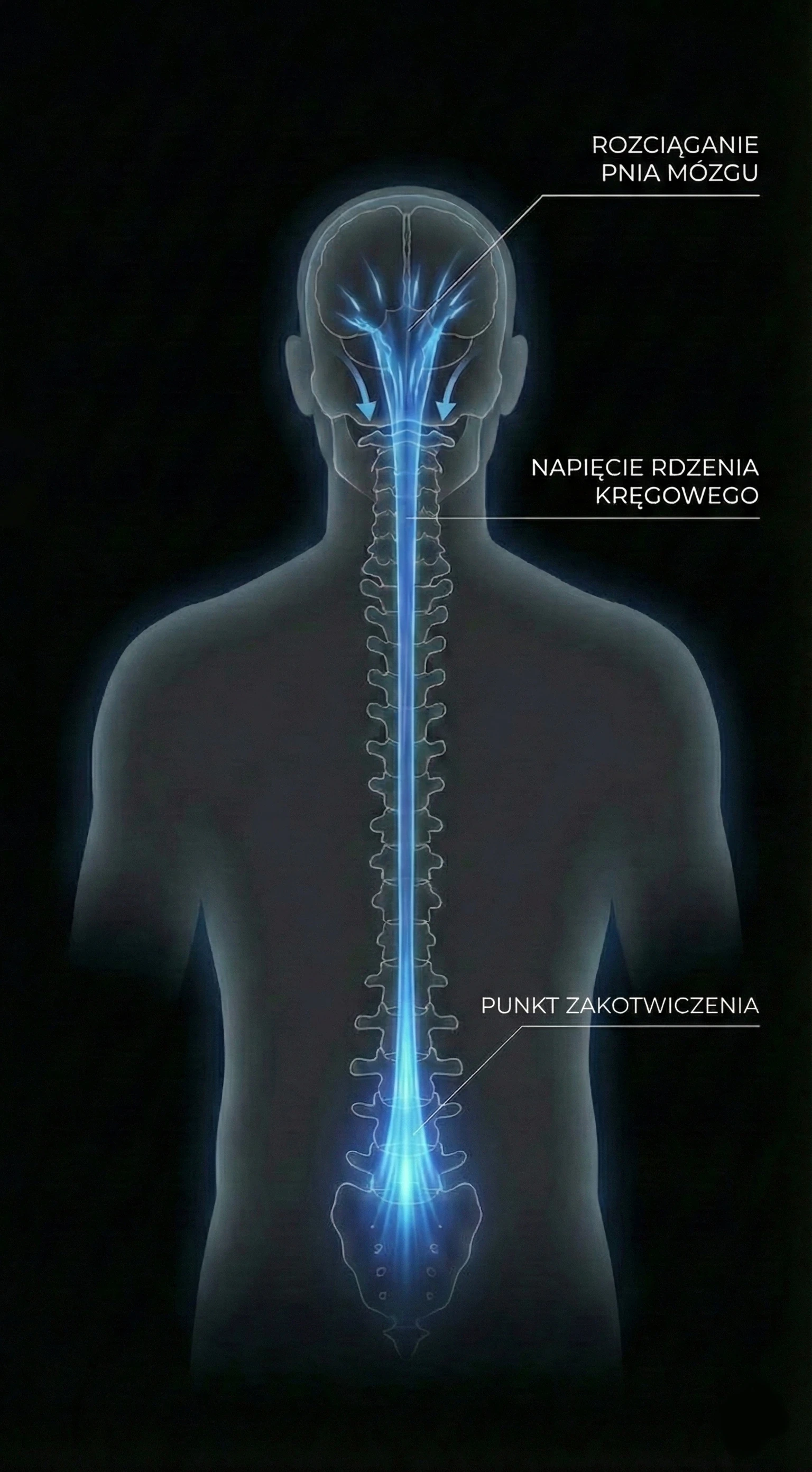
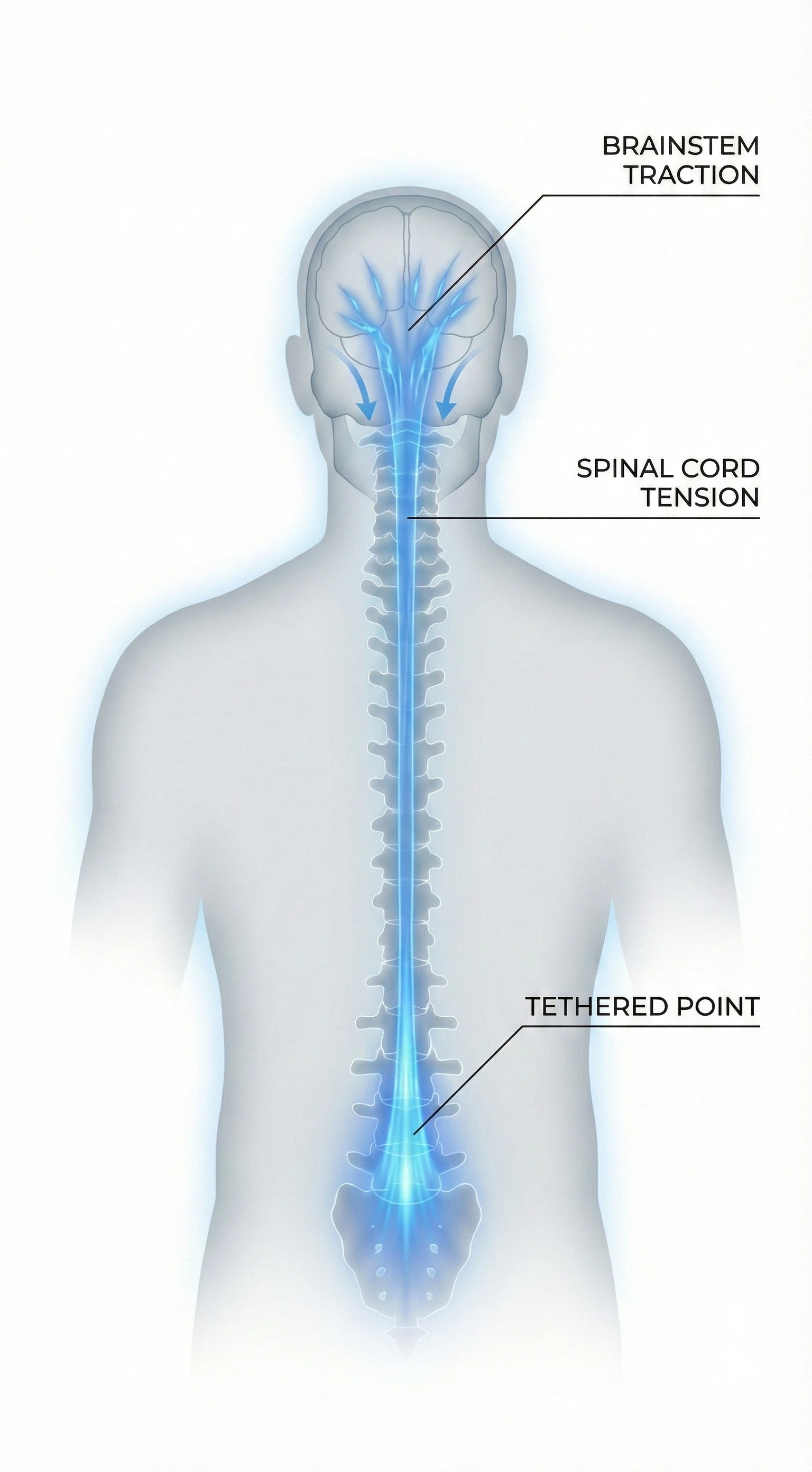
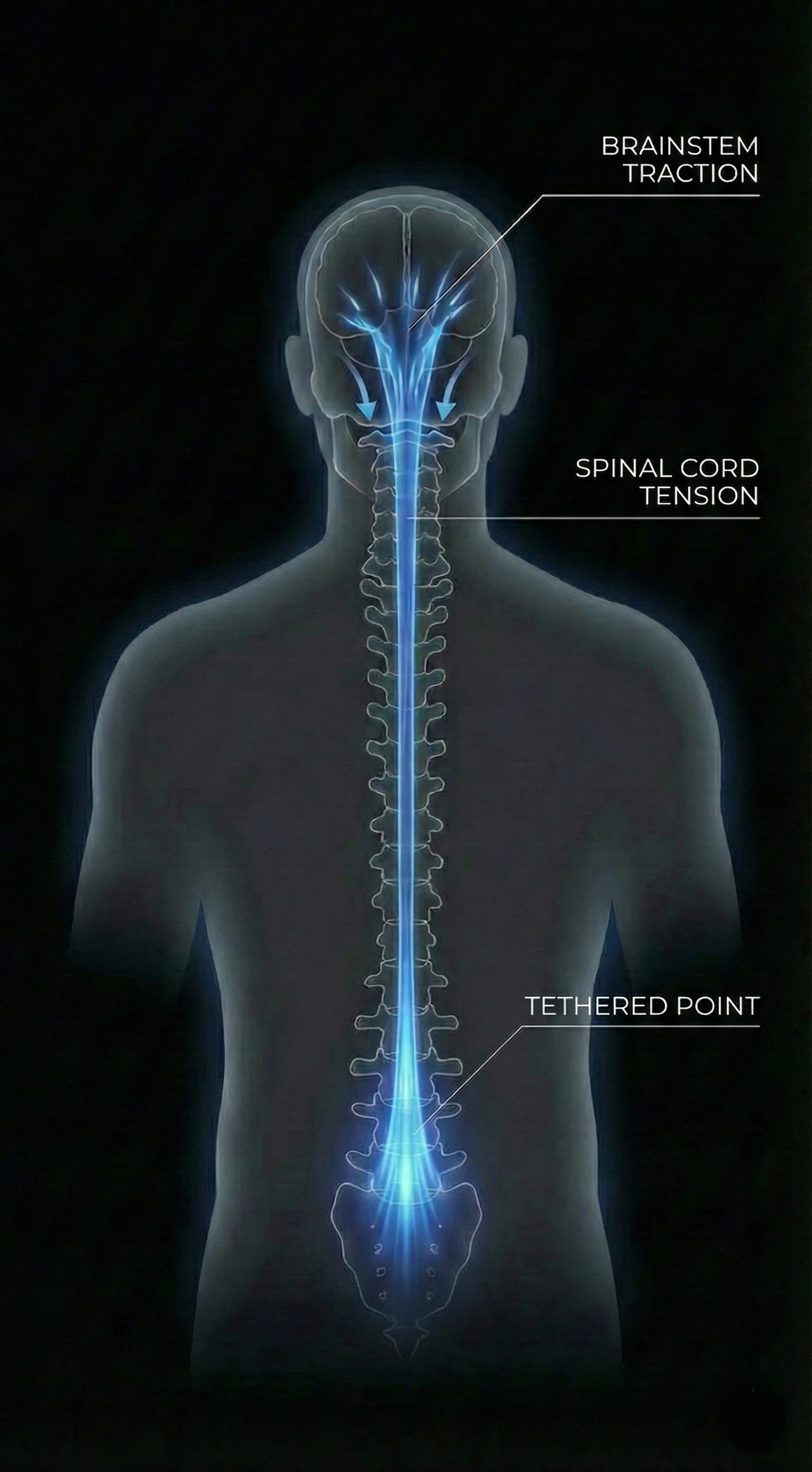
An educational guide presenting a hypothetical model of connections between mast cell hyperreactivity, spinal cord tension, and chronic fatigue. The mechanisms presented here are subject to ongoing research.
Before diving into medical details, understand the core issue. Imagine your immune system (mast cells) acts as a Security Guard watching the entrance to your body.
Only reacts to real bad guys (viruses).
In Mast Cell Activation Syndrome (MCAS), immune cells (mast cells) are "hyperreactive". Instead of reacting only to real threats (e.g., viruses), they explode upon contact with trivial factors.
Hidden enemies in pills. Examples of fillers that MCAS patients may react to (individual for each):
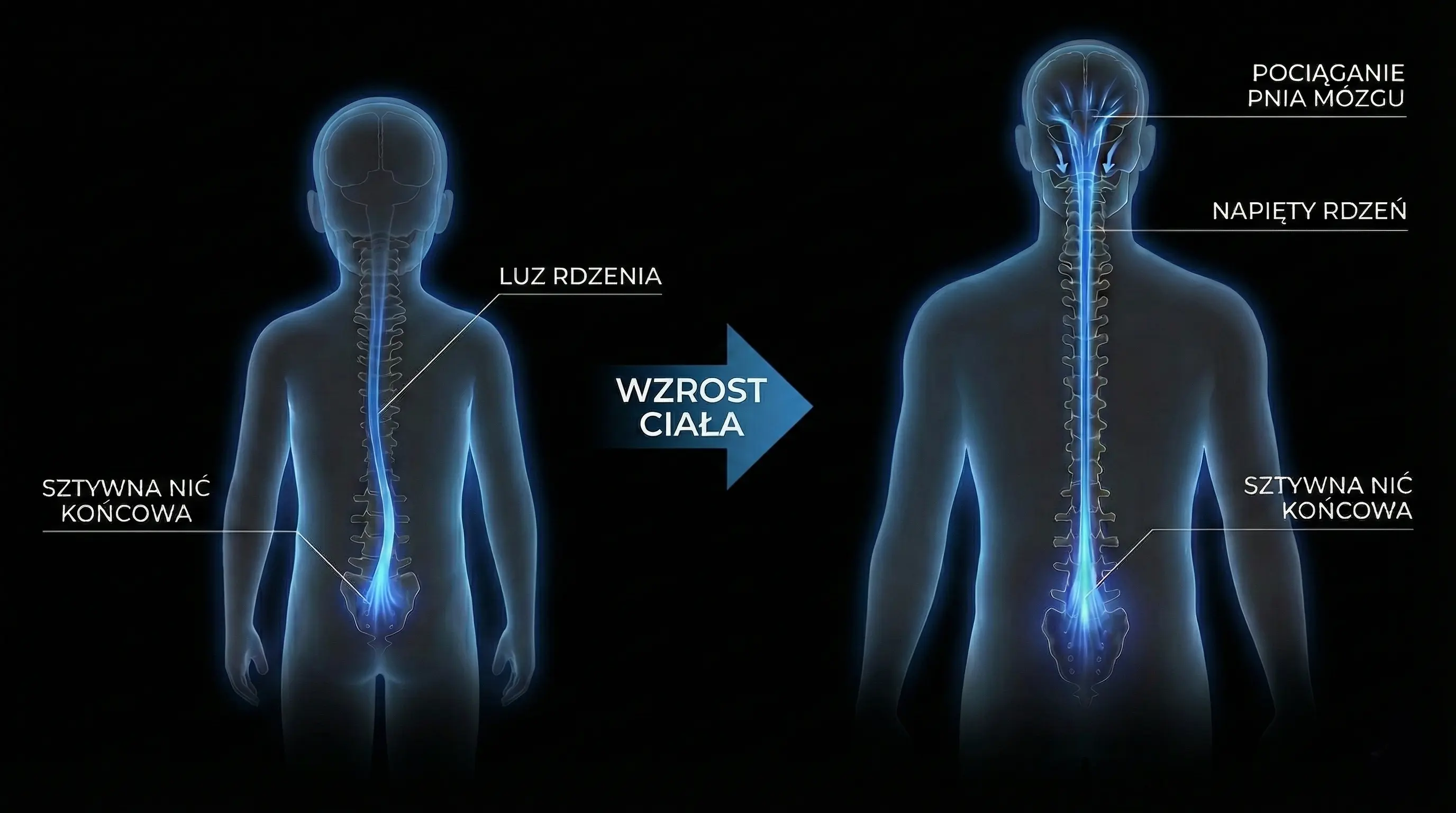
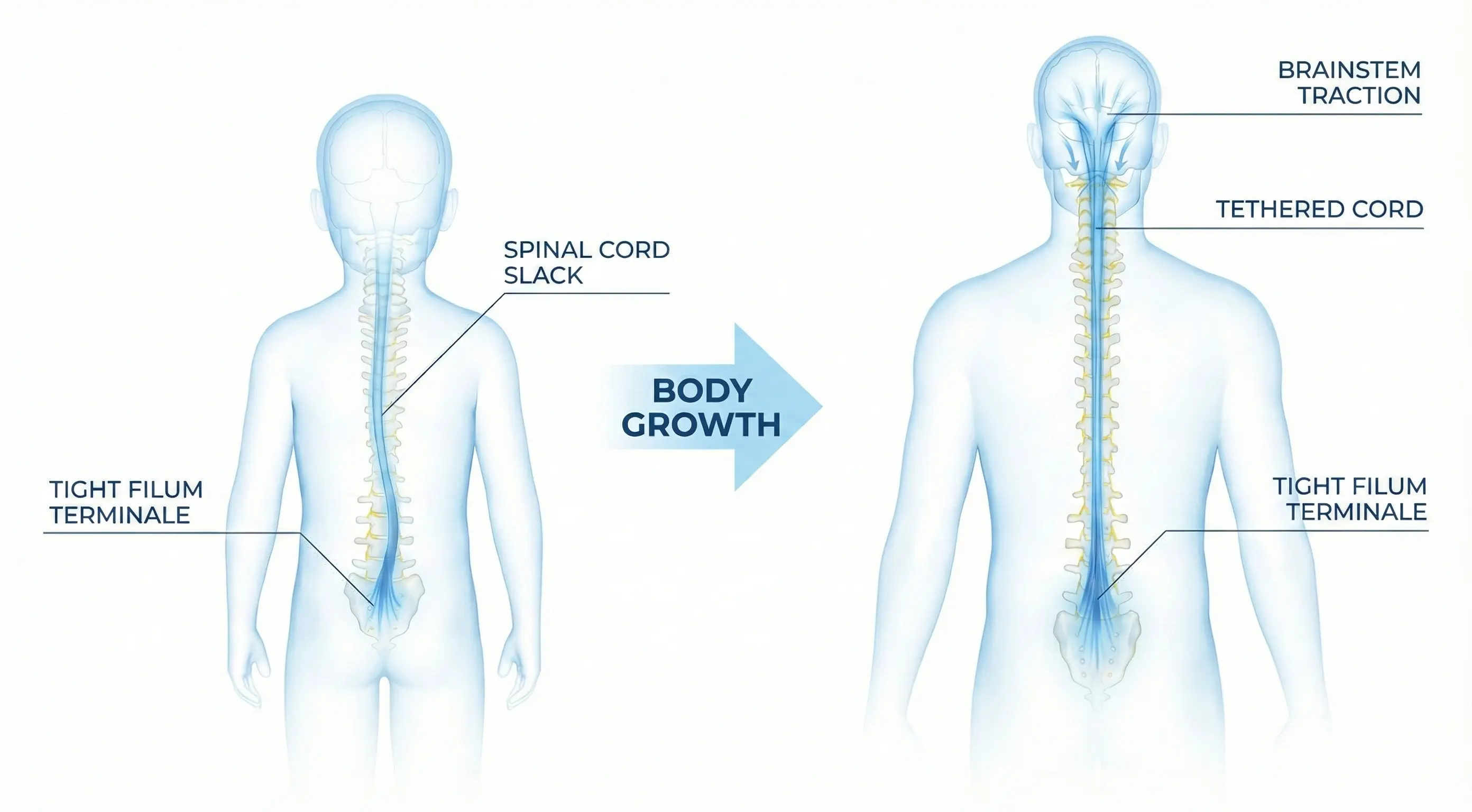
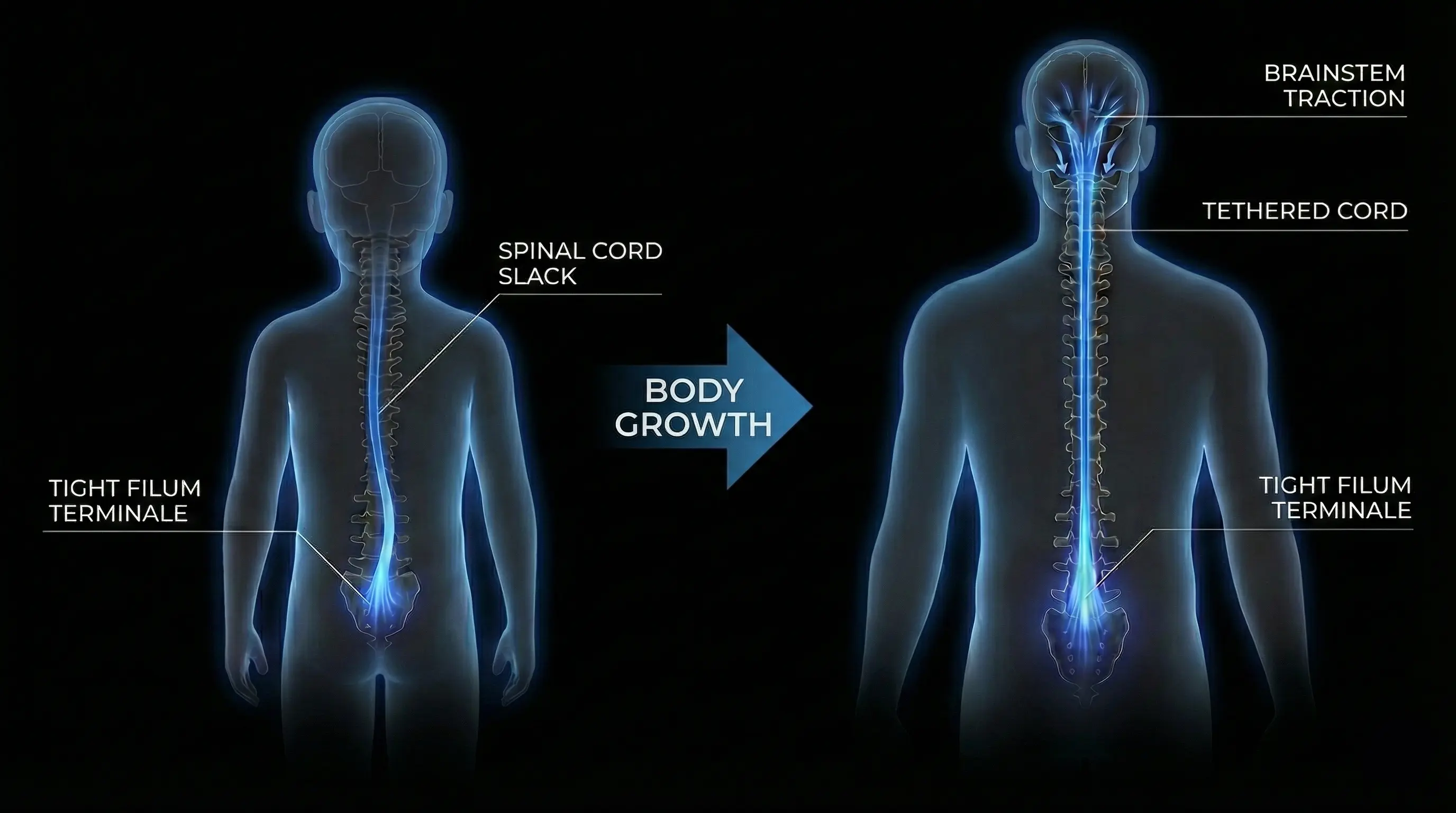
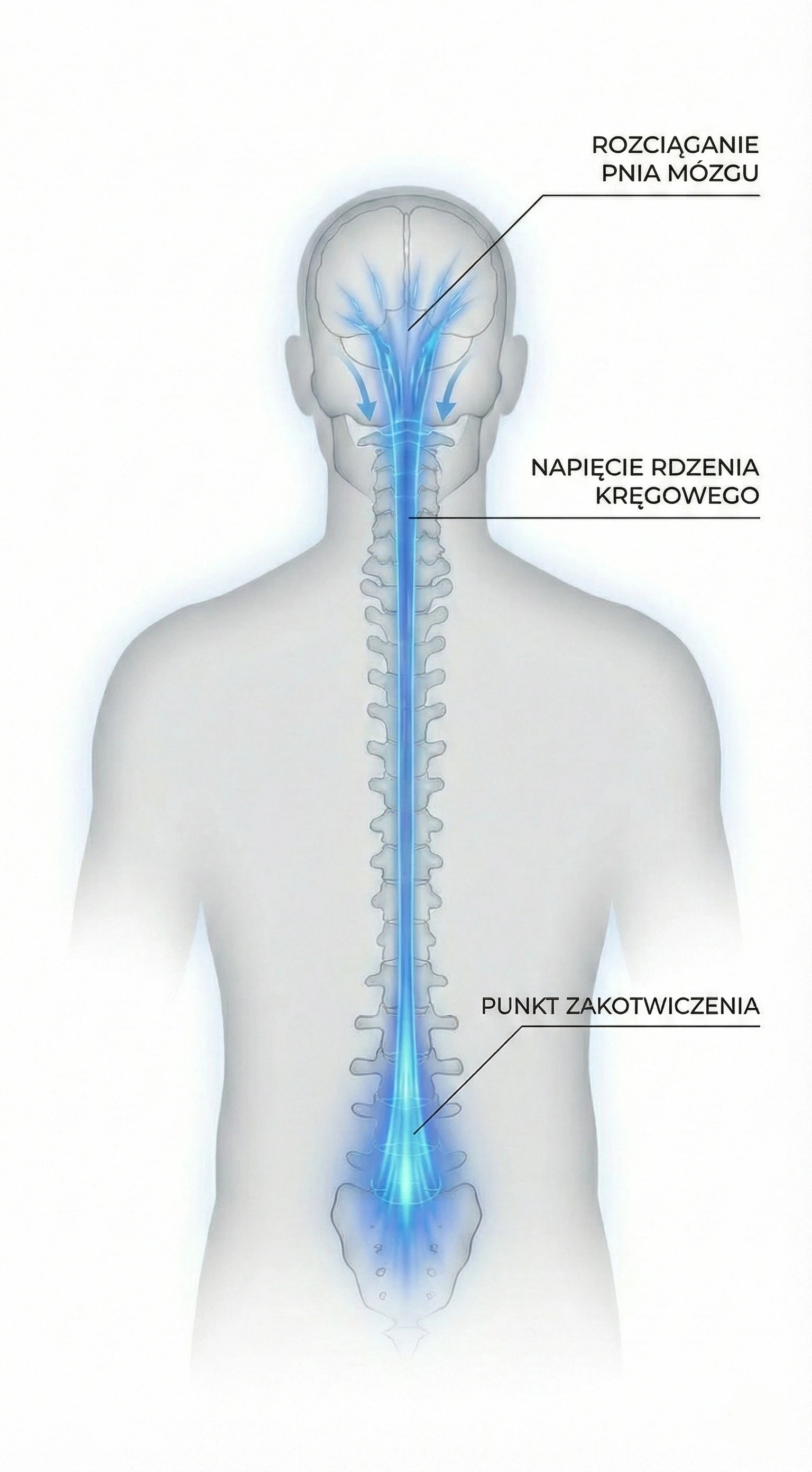
Tethered Cord Syndrome (TCS) is a mechanical pathology where the spinal cord is "trapped" at the bottom of the spine. In a healthy body, the cord floats freely in the spinal canal, moving up and down during movement. In TCS, it is attached (tethered) by an overly tight filum terminale or scar tissue (e.g., after surgery, trauma).
Imagine the spinal cord as a loose shoelace inside a tube. In TCS, this shoelace is pulled tight and nailed down at the bottom (by the filum or adhesions). Every bend, extension, or head movement causes physical stretching of the nerve tissue, leading to ischemia.
Visible on standard MRI. The conus medullaris ends too low (below L2). Often accompanied by a lipoma or spina bifida.
Most common in EDS/MCAS. The conus medullaris
is at a normal height, but the filum terminale is fibrotic and
inelastic. The key problem is the loss of elasticity
(compliance) of the filum – it acts like a stiff string
instead of a shock-absorbing rubber band. Often described as
"normal" on MRI despite strong clinical symptoms.
Diagnostics: Standard supine MRI
often yields a false "normal" result because gravity does not
act on the cord then. Prone position MRI or urodynamic testing
can be diagnostically significant.
This phenomenon is called Ascensus Medullae. In fetal life, the spine (bones) grows much faster than the spinal cord (nerves). In a healthy person, the cord "pulls up" the spinal canal.
The process of spinal cord ascent (Ascensus Medullae) failed in childhood. The cord remained 'tethered'. In adulthood, symptoms erupt because tissues lose elasticity (collagen stiffening) and the spine accumulates years of micro-trauma. It is not bone growth that is the problem now, but the loss of elasticity reserve.
"Why didn't I have symptoms as a child?"
The body has amazing adaptive capabilities, but only up to a point. With age, three things happen that take away the "slack reserve":
At some point (often between ages 20 and 40), the sum of these factors crosses the "Tipping Point". The nervous system says "enough" and a cascade of symptoms appears.
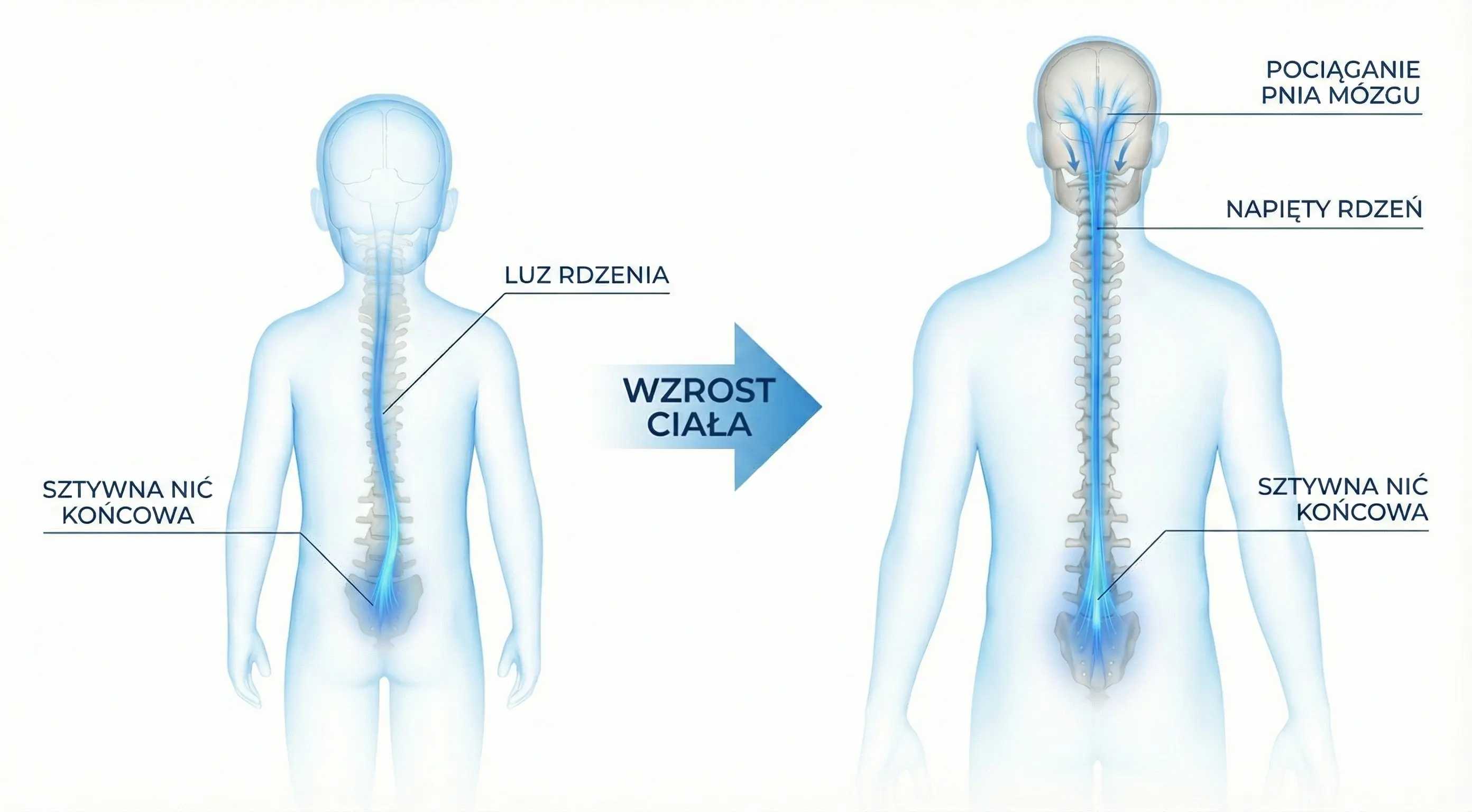
Visualization of Ascensus Medullae / Tipping Point
Craniocervical Instability (CCI) is a pathological condition where the ligaments connecting the skull to the cervical spine (mainly C0-C1-C2) are too loose or damaged. As a result, the head is not stably seated on the spine but "slides" with every movement, leading to compression of the medulla oblongata and brainstem.
Imagine a doll's head on a spring (Bobblehead) or a heavy bowling ball on a stick held by rotten rubber bands. The head weighs about 5 kg. When the ligaments (rubber bands) fail, muscles must take over their role, working 24/7, leading to exhaustion and chronic neck pain.
Key stabilizers limiting excessive head rotation. When they fail, the head "spins" too much, stretching arteries and nerves.
Acts like a seatbelt, keeping the odontoid process (C2) away from the spinal cord. Its damage is a direct threat to life.
Direct compression of the brainstem, balance disorders, dizziness, "heavy head" (difficulty keeping it upright), and dysautonomia.
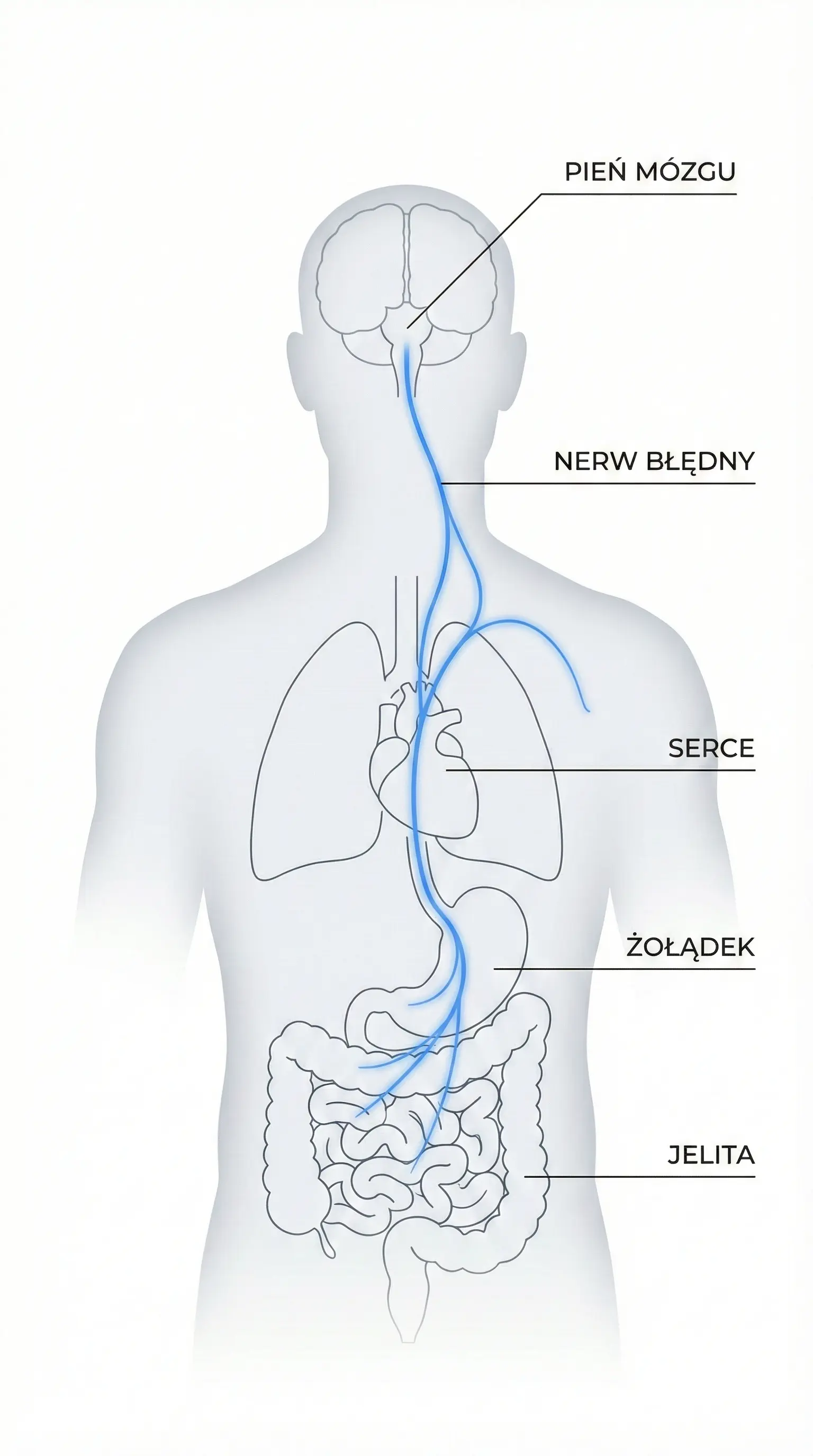
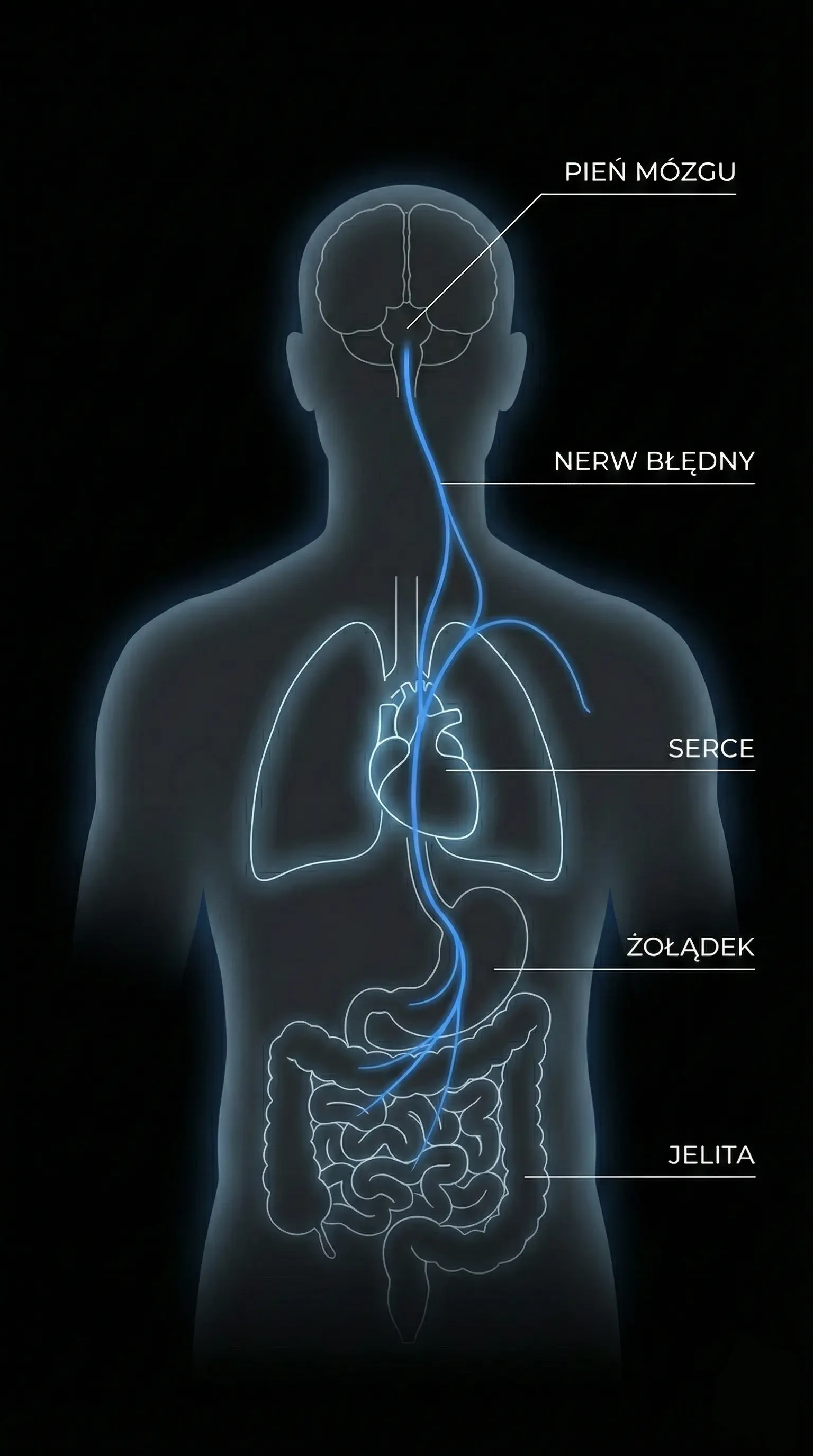
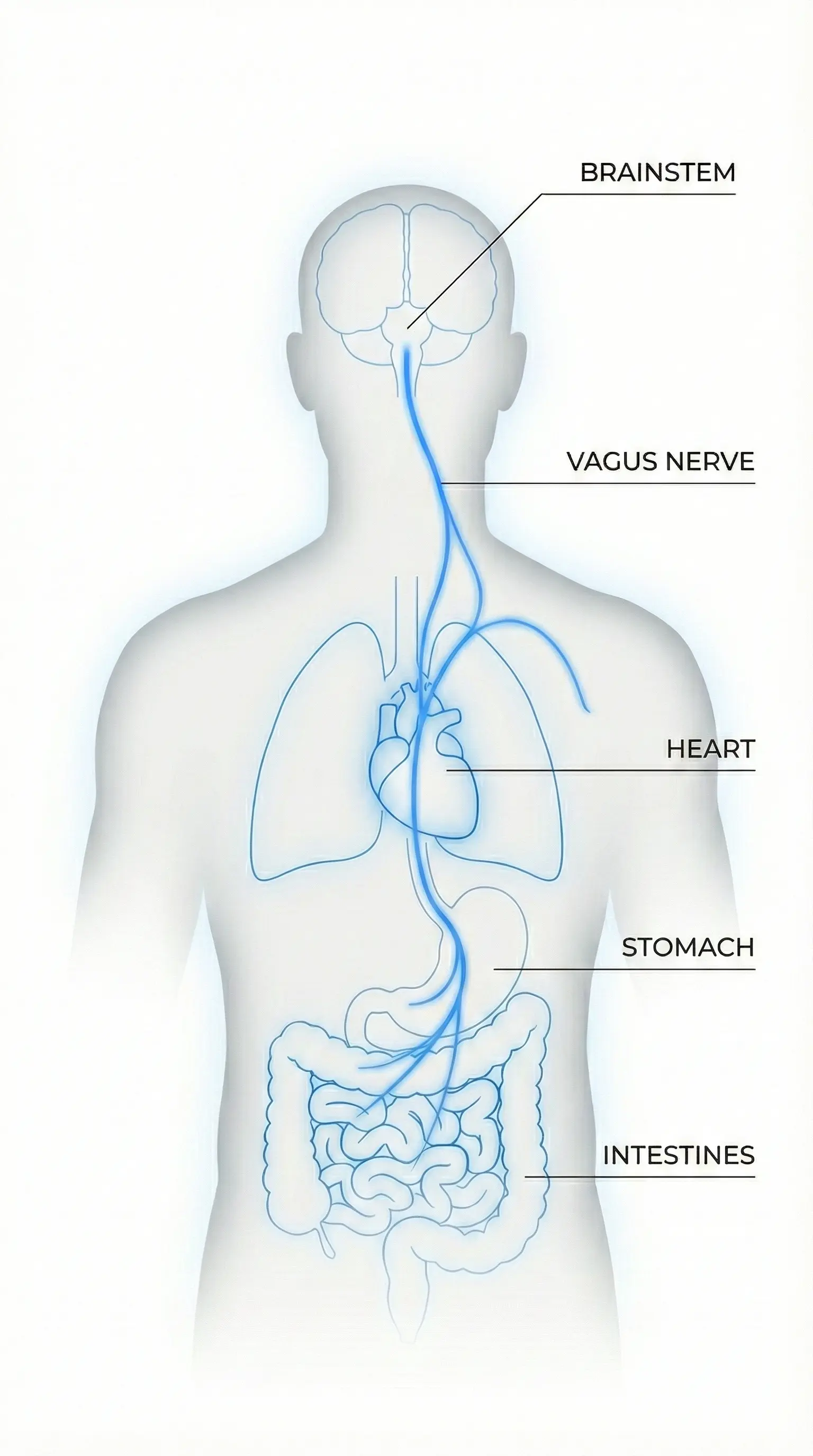
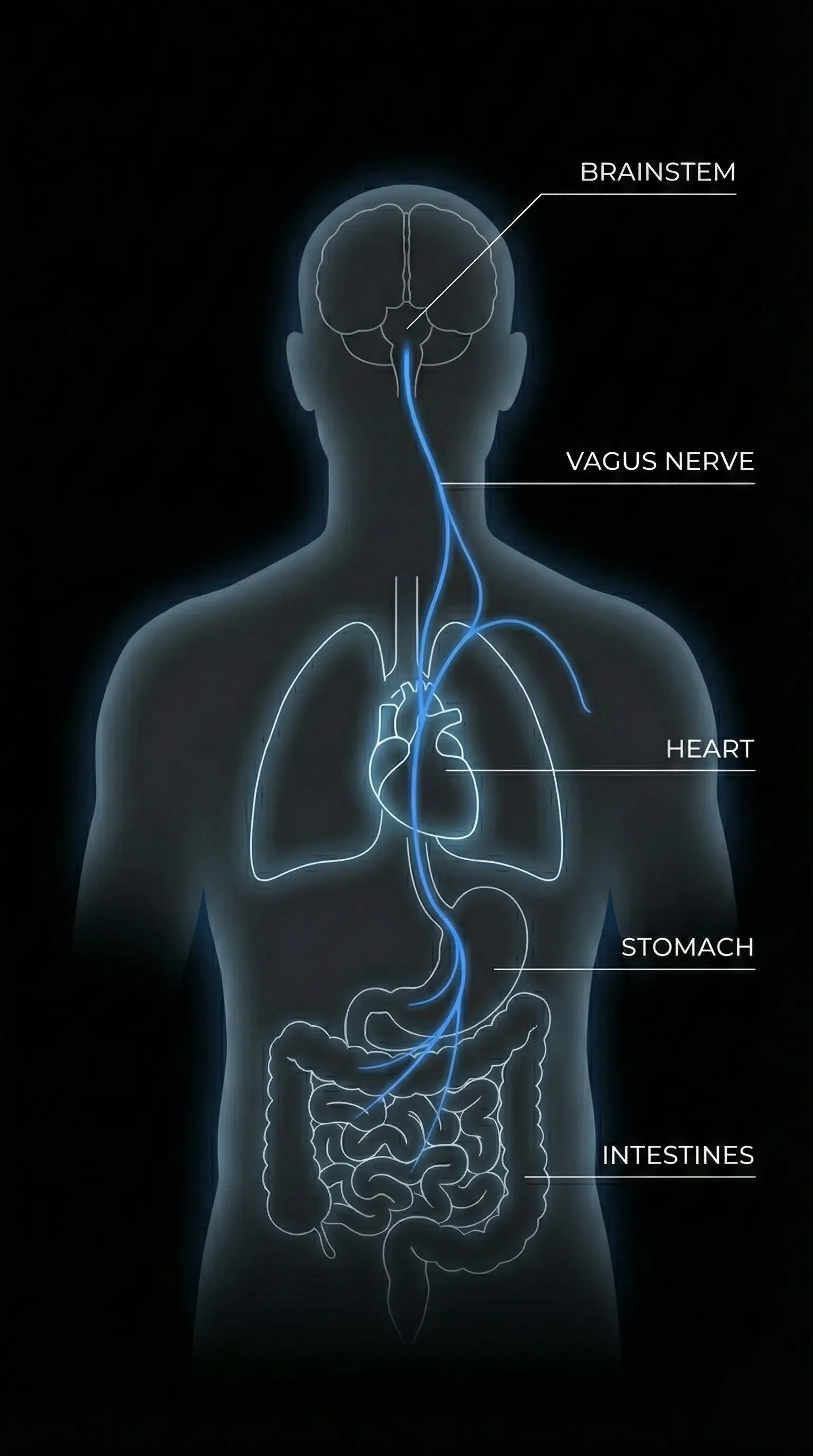
The Vagus Nerve is the most important nerve of the parasympathetic system ("rest and digest"). It runs from the brainstem, through the neck and chest, down to the intestines. It is the "information superhighway" connecting the brain to the body.
When the cord is tethered, tension transmits upwards, weakening neck muscles and causing instability (CCI). The shifting vertebrae compress or irritate the vagus nerve, disrupting its signal. It's like stepping on an internet cable – data stops flowing.
Illustration: Vagus nerve pathway and the impact of mechanical tension.
ME/CFS (Myalgic Encephalomyelitis) is a severe, chronic multisystem disease. It is not just fatigue. It is a state where the cell's energy production system (mitochondria) fails, and the nervous and immune systems lose balance. The hallmark feature is PEM – drastic worsening of symptoms after even minor exertion.
Impaired energy production. The body cannot keep up with ATP production, leading to a 'power cut'.
The autonomic system struggles with gravity. Heart rate spikes upon standing.
Chronic inflammation and mast cell hyperreactivity (MCAS).
Brain fog, sensory sensitivity, sleep disturbances, and neuropathic pain.
Post-Exertional Malaise. A delayed body reaction to exertion. A walk taken today might "cut your power" tomorrow or the day after, leaving you bedbound for days. Sometimes the patient does not recover from PEM, leading to permanent deterioration.
Standard blood tests often come back perfect, leading to misdiagnosis (e.g., "it's just stress"). ME/CFS is a functional disease – organs look healthy but do not function correctly at the cellular level.
Can work (often with difficulty), but at the cost of social life. Battery dead on weekends.
Housebound. Shopping requires days of recovery. Frequent naps needed.
Bedbound. Dependent on care for washing/eating. Extreme sensitivity to light and sound.
Completely bedbound. Enteral feeding often needed. Extreme hypersensitivity to stimuli (needing darkness and silence). Every movement is a huge expense.
The body tries to fight cord tension by tensing back and neck muscles ('Protective Corset'). After years of fighting, these muscles become exhausted and atrophy. They lose their stabilizing function, which is a key moment for pathology development.
Why does strengthening physiotherapy often cause
harm?
In Tethered Cord, muscles are tight not due to
weakness, but as a protective mechanism guarding the cord
against stretching. Traditional strengthening exercises
increase tension in the system, pulling the cord even tighter.
This leads to worsening neurological symptoms and pain instead
of improvement. Physiotherapy should focus on relaxation and
gentle mobilization, not on forcefully strengthening a
'corset' that is already overburdened fighting cord traction.
When neck muscles give way, cervical vertebrae begin to shift ('slide') relative to each other. Tethering of the cord from below prevents adaptation, rigidly holding the nervous system while bones move too much.
Unstable vertebrae (especially C1-C2) physically compress the brainstem and vertebral arteries. This causes chronic ischemia of autonomic centers and a neurological 'storm'. The body enters a state of metabolic hibernation, diagnosed as ME/CFS. [9]
Illustration: Pathomechanism of Tethered Cord Syndrome.
Long-term mechanical tension (from TCS) causes permanent elongation of the alar and transverse ligaments in the neck. This is called "tissue creep" - slow deformation under constant load.
Even if we surgically cut the filum terminale (treating TCS) and the tension from below disappears, the "stretched rubber band" in the neck does not return to its original shape. Ligament damage is already done.
CCI then becomes a separate pathology requiring separate treatment (e.g., regeneration or stabilization), not just a "TCS symptom" that will disappear on its own after surgery.
The diagram below presents a theoretical proposal of pathomechanical links. It suggests that mechanical tension (TC) may lead to instability (CCI) and consequently to ME/CFS symptoms. This is one of the research hypotheses.
The tethered cord causes continuous micro-trauma with every movement. This is the 'first domino' that triggers the avalanche.
Paraspinal muscles, after years of fighting tension, become exhausted. They lose the ability to stabilize the spine (atrophy).
Without muscle protection, cervical vertebrae (C1-C2) become unstable. They begin to compress the brainstem, causing dysautonomia.
Tethered Cord (mechanical stress) becomes a constant trigger for MCAS. Whether through the direct pathway (nerve irritation) or the indirect pathway (dysautonomia and lack of vagus nerve braking), mechanics force the immune system into a state of constant alarm, leading to chronic histamine release.
Mast cells release TGF-beta and Tryptase, which stimulate excessive collagen production. This causes the filum terminale to stiffen (fibrosis).
Post-op Risk:
Even after successful surgery, MCAS can cause massive retethering (scar tissue formation). The body "attacks" the surgical site, potentially trapping the cord again.
Scientists debate whether mast cell activation is a direct result of nerve stretching or a domino effect resulting from metabolic collapse and dysautonomia. Both mechanisms likely occur simultaneously.
Assumes that Tethered Cord (TC) directly "talks" to the immune system.
Conclusion: Mechanics is the direct trigger. Every movement pulling the cord causes an immediate allergic reaction.
A more complex cascade. TC destroys cervical stability (CCI), which damages metabolism (ME/CFS) and immune brakes.
Conclusion: The immune system goes "crazy" because the damaged Vagus Nerve (by CCI/TC) stopped inhibiting it (lack of Anti-inflammatory Reflex), and ME/CFS introduced metabolic chaos. [3]
The combination of MCAS and Tethered Cord creates a specific symptom profile, often misdiagnosed as "just stress" or psychosomatic.
The bibliography below contains research with varying levels of evidence: Systematic reviews and meta-analyses (Level 1-2) are labeled where available. Many claims are based on Level 3-4 evidence (case series, pilot studies) or Level 5 (hypothetical articles). We prioritize higher quality research, but also include lower levels when they represent the best available knowledge.
Sources Warning: The bibliography below contains scientific articles that examine individual elements of this model. It should be remembered that the direct causal relationship between these three diseases is still the subject of research and scientific discussion.
Klinge PM, et al. "Clinical criteria for filum terminale resection in occult tethered cord syndrome." (J Neurosurg Spine, 2024)
Level 4 Evidence Prospective case series (n=149). 89% of patients showed improvement at 3 months, 68% at 12 months. Defines clinical criteria for 'Occult TCS' – patients with hypermobility (EDS) and bladder/pain symptoms show improvement after surgery despite 'normal' MRI.
Frangos E, et al. "Craniocervical Instability in Ehlers-Danlos Syndrome—A Systematic Review." (Global Spine Journal, 2022)
Level 2 - Systematic Review
Analysis of 16 studies (695 EDS patients, 78 with CCI).
Establishes diagnostic criteria: CXA <135°, Grabb-Oakes line
>9mm, Harris measurement >12mm.
Note: No Level I or II studies exist for
surgical treatment of CCI.
Bragée B, et al. "Signs of Intracranial Hypertension, Hypermobility, and Craniocervical Obstructions in Patients With ME/CFS." (Frontiers in Neurology, 2020)
Level 4 - Pilot Study (n=30)
Key study showing that most ME/CFS patients have signs of
intracranial hypertension and mechanical obstructions in
cerebrospinal fluid flow.
Limitation: Small sample size, requires
replication.
Tracey KJ. "The inflammatory reflex." (Nature, 2002)
Level 5 - Landmark Paper
Article from 'Nature' describing the physiological mechanism
where the vagus nerve acts as a 'brake' for the immune system.
Its damage (e.g., by compression) leads to uncontrolled
inflammation.
Sosa Guggenheim LM, et al. "Mechanobiology in the Comorbidities of Ehlers Danlos Syndrome." (Frontiers in Cell and Developmental Biology, 2022)
Level 5 - Review
Explains WHY hEDS leads to MCAS: soft extracellular matrix →
increased tissue deformation → disrupted mechanotransduction in
mast cells → excessive degranulation. ~25% of hEDS patients
develop MCAS.
Theoharides TC, et al. "Mast Cells, Neuroinflammation and Pain in Fibromyalgia Syndrome." (Frontiers in Cellular Neuroscience, 2019)
Level 5 - Review
Describes how mast cells in the brain (hypothalamus) react to
stressors by releasing inflammatory mediators. Directly links
MCAS to chronic pain and fatigue (ME/CFS).
Zhang D, et al. "Mast-cell degranulation induced by physical stimuli involves activation of TRP channels." (Physiol Res, 2012)
Level 5 - Basic Research
Proof that physical factors – such as vibrations or mechanical
stretching – can cause histamine release from mast cells without
allergens (non-IgE dependent mechanism).
Note: In vitro/animal studies.
Lim E-J, et al. "The Prospects of the Two-Day Cardiopulmonary Exercise Test (CPET) in ME/CFS Patients: A Meta-Analysis." (Journal of Clinical Medicine, 2020)
Meta-Analysis (Level 1)
Analysis of 5 studies: ME/CFS patients show DECLINE in
performance Day 2 vs Day 1, while controls show IMPROVEMENT.
Work rate at VT1: −33.0 vs +improvement in controls (p<0.05).
2-day CPET objectively distinguishes ME/CFS from healthy
individuals.
Level 4 Evidence
Landmark study (2024) showing co-occurrence of TCS and CCI in
hEDS patients.
VanElzakker MB. "Chronic fatigue syndrome from vagus nerve infection: a psychoneuroimmunological hypothesis." (Medical Hypotheses, 2013)
Hypothesis (Level 5)
Describes the 'Sickness Behavior' mechanism. A damaged or
irritated vagus nerve sends a false threat signal to the brain,
forcing the body into metabolic 'shutdown' (ME/CFS symptoms).
Ongoing Clinical Trial: ISRCTN15931869 – Pilot RCT of vagus nerve stimulation (taVNS) in ME/CFS. See protocol
Davenport TE, et al. "ME/CFS and Long COVID Demonstrate Similar Bioenergetic Impairment and Recovery Failure on Two-Day Cardiopulmonary Exercise Testing." (Research Square, 2026)
Level 4 - Cohort Study (Preprint)
Latest study (n=84 ME/CFS, n=52 Long COVID) confirming identical
bioenergetic failure patterns in 2-day CPET. ME/CFS and Long
COVID show the same PEM mechanism.
"Occult Tethered Cord Syndrome: Clinical Characteristics, Diagnostic Challenges, and Management Considerations." (Cureus, 2025)
Level 5 - Review
Comprehensive review of OTCS diagnostic challenges. Emphasizes
lack of consensus on surgical indications and need for
standardized diagnostic criteria before surgery.